5 Longest-Burning Woods for Your Fireplace in 2026 (Expert Tested)
Tired of fires that turn to ash within the hour? Density and dryness decide burn time. The hardwoods that last longest in a kaggel, and how to season and mix them.
 The Stompies teamUpdated 13 min read
In this article
Searching for the best fireplace wood but frustrated with logs that burn out too fast?
Most of us know that feeling – watching a fresh fire turn to ashes within an hour.
Your fire’s longevity and efficiency boil down to two simple factors: density and dryness.
Hardwoods offer much better value with longer burn times.
The best indoor fireplace wood comes from properly seasoned hardwoods.
Simple physics tells us that harder, denser wood burns longer.
Seasoned wood lights up easily and burns more efficiently.
Your ideal fireplace (kaggel, as we call it) experience depends on choosing wood that maximises heat output while minimising creosote build-up.
Stompies’ years of testing different wood varieties have led to this piece about the 5 longest-burning woods that’ll keep your fireplace going through cold nights.
When it comes to staying warm during winter, the burning efficiency of your firewood makes all the difference.
Not all wood burns equally; some species (different types of firewood) offer longer and cleaner burning fires than others.
Ready to discover which wood gives you maximum warmth for your money?
These 5 longest-burning hardwoods in South Africa deliver maximum heat with minimal effort, and we’ve tested them all.
Kameeldoring
Kameeldoring (or Camel Thorn) has earned its nickname “King of the Bushveld” as the ultimate premium firewood.
This premium Namibian hardwood is prized for its unmatched performance in both heating and cooking.
People also call it “Iron Wood” because of its impressive density, around 1 185 kg/m³ dried.
It’s no surprise this wood tops the list for long, cold nights.
Why Kameeldoring burns long
Kameeldoring’s legendary burn time comes from its unique physical makeup.
The Namibian climate dries this wood in the ground before it is ever cut, so it arrives with very little moisture left in it.
Most domestic air-dried woods contain about 30% moisture, while kiln-dried woods have 18-20%.
The wood’s extreme dryness means your fire won’t waste energy burning off extra moisture.
The harsh African desert climate makes Kameeldoring grow slowly, creating wood that’s incredibly dense and compact.
These features give you the following:
- Steady, controlled flames
- Hot coals that keep burning for hours
- Almost no smoke while burning
- Less time spent adding more wood
After burning for about an hour, the coals stay hot and steady.
You’ll spend more time enjoying your fire’s warmth and less time feeding it.
Kameeldoring in fireplaces
This wood’s excellent burning qualities mean you need to handle it carefully indoors.
Its powerful heat output can be tricky to manage in some settings.
Traditional open fireplaces work great with Kameeldoring.
But closed combustion or glass-fronted units need special care.
Using only Kameeldoring in these fireplaces might damage their internal parts and glass because of the intense heat.
The “50-50 burn” method offers a smart solution.
Mix Kameeldoring with local woods like Blue Gum (Bloekom) or Black Wattle.
This mix keeps moisture levels balanced and protects your unit from too much heat.
You’ll still get plenty of warmth without risking damage to your fireplace.
Pure Kameeldoring works best in fire pits and cast iron units.
The mixture approach makes more sense for glass-fronted fireplaces with sensitive metal parts.
Kameeldoring for cooking
Braai masters really appreciate Kameeldoring’s steady heat. This wood excels at:
- Getting steaks perfectly seared
- Cooking potjiekos (traditional South African stew) slowly
- Keeping large gatherings fed with long cooking times
Food gets a gentle musky flavour from the wood’s subtle smoke.
Pork and lamb taste best with Kameeldoring’s mild smoke profile.
The beautiful red and orange flames make outdoor cooking even more special.
South African braai masters love the distinct African character that Kameeldoring adds to their meat’s flavour without overwhelming it.
Many call it their favourite wood for cooking.
Kameeldoring seasoning tips
Kameeldoring stands out because it needs almost no seasoning.
African desert heat naturally dries the wood to almost zero moisture.
The wood comes ready to use, with no extra drying needed.
Best practises include:
- Keeping it covered and dry to maintain its ultra-low moisture
- Using it carefully in indoor fireplaces, especially ones with glass fronts
- Mixing it with other woods for indoor use
- Saving pure Kameeldoring for outdoor cooking where intense heat works best
Suppliers work with governments to harvest only dead trees, making Kameeldoring an eco-friendly choice.
The Namibian ministry of agriculture protects Kameeldoring as a special species.
Make sure you buy from trusted suppliers who have proper permits.
Sekelbos
Sekelbos (Sickle Bush) stands out as one of Namibia’s best firewoods and ranks high among premium African hardwoods.
It’s earned a reputation as the most versatile firewood in Southern Africa – for good reason.
Let me show you why this wood might be your best choice for your fireplace or braai this winter.
Why Sekelbos burns long
The wood’s impressive burn time comes from its unique physical makeup.
This hardwood packs incredible density and hardness, which creates a slow, steady burn that puts out maximum heat.
Most soft woods quickly turn to ash, but Sekelbos keeps its shape as it burns.
Here’s what makes this wood special:
- Exceptional density: The wood’s tight grain packs more material into each log, so it burns longer
- Natural oils: Namibia’s dry climate concentrates these oils, which makes the wood burn better and smell amazing
- Minimal moisture: The wood’s naturally low water content means more heat output
Sekelbos gives off steady heat during long burns, so you won’t need to keep adding logs.
The wood slowly turns into hot coals that keep radiating warmth long after the flames die down.
Sekelbos in fireplaces
This wood really shows its versatility in use.
You can burn it in any type of fireplace, from old-school open hearths to modern units with glass fronts.
The wood works perfectly in traditional open fireplaces.
It lights readily and burns clean with hardly any smoke, perfect for indoor use where clean air matters.
The logs’ round shape makes them easy to stack and arrange nicely in your fireplace.
You’ll need to be careful with closed combustion systems or glass-fronted units.
Like Kameeldoring, the intense heat could damage internal parts if you use it exclusively.
Many people use the “50-50 burn” method, mixing Sekelbos with Rooikrans for a quicker start.
This gives you the perfect balance of heat and efficient burning.
Sekelbos for cooking
Braai enthusiasts love this wood because it’s a great way to get that perfect flavour.
The wood’s aromatic “bushveld” scent adds a unique taste that makes food better without being too strong.
Here’s why cooks love it:
- Hot burns with bright, beautiful flames
- Coals that last through long cooking sessions
- Perfect heat levels for finding that ideal grilling temperature
- A unique smoky flavour from its natural oils
The wood’s steady heat output lets cooks control temperature precisely, which means perfect results whether you’re searing steaks or slow-cooking traditional dishes.
That’s why serious braai masters across Southern Africa pick this wood first.
Sekelbos seasoning tips
Most firewood needs lots of seasoning time, but Namibian hardwoods like Sekelbos come with a head start.
The region’s dry climate naturally seasons the wood to almost perfect levels.
To get the most out of your wood, keep these pro tips in mind:
- Keep the wood under cover to protect it from rain
- Stack it with space for air to flow through
- Use the oldest pieces first
- Look for that yellow colour that shows it’s ready to burn
Well-stored Sekelbos stays ready to use forever.
While other woods might go bad over time, this hardwood stays stable and ready whenever you need it.
The wood’s amazing qualities and flexibility make it one of the best fireplace woods you can find, no matter how you plan to use it.
Blue Gum (Bloekom)
Blue Gum (Eucalyptus globulus) from South-eastern Australia has found its way into South African fireplaces.
This hardwood gives exceptional burning qualities that make it perfect for indoor heating and cooking.
Its reliable performance and easy availability make it worth thinking about for your next fireplace wood purchase.
Why Blue Gum burns well
The physical characteristics of Blue Gum explain why it burns so well.
This dense hardwood burns steadily, and it runs as hot as Sekelbos.
Blue Gum’s excellent performance comes from several key features:
- Its dense, chunky logs give a hot, steady burn
- Natural oils in the wood boost its heat output and give it an aromatic burn
- The wood creates a uniform bed of coals that keeps radiating heat long after the flames die down
You’ll get long-lasting coals that maintain steady heat throughout your burning session.
The substantial heat output means fewer trips to add more wood, so you can enjoy uninterrupted warmth on cold winter nights.
Blue Gum in fireplaces
This wood really stands out in different fireplace setups.
It works exceptionally well in closed combustion systems and glass-fronted fireplaces, making it the go-to choice for many fireplace enthusiasts.
Properly seasoned Blue Gum produces less smoke than many alternatives.
It lights easily. Start with a little kindling and an eco firelighter, the one to use in a closed combustion or glass-fronted fireplace because it burns clean and won’t damage the glass.
Once it gets going, you’ll get steady, mesmerising flames and lots of heat.
The “50-50 burn” technique works great in open fireplaces.
Mix Blue Gum with softer woods like Black Wattle for better flames.
Experienced users often combine it with Kameeldoring for a longer burn.
Blue Gum for cooking
Blue Gum does more than just heat homes.
Wood-fired pizza ovens love this wood because it burns clean and gives consistent heat.
Many professional pizza places across South Africa pick Blue Gum specifically for this reason.
Foods cooked over Blue Gum flames or coals get a unique flavour.
The subtle smokiness adds to dishes without taking over, which suits many cooking styles.
Outdoor cooking fans will appreciate the steady heat and minimal smoke during braai sessions once the wood gets going.
Blue Gum seasoning tips
The right seasoning makes all the difference with Blue Gum.
- The wood’s density needs 18-24 months to dry properly.
- This wait pays off with better burning and less smoke.
- You can spot well-seasoned Blue Gum by its faded, grey, and slightly dusty appearance.
- Dry logs make a hollow sound when knocked together.
- The best moisture content ranges between 13 and 17% for optimal burning.
- Store your Blue Gum in a dry place with good air flow.
- Stack the logs with gaps between them and cover just the top.
This lets rain stay out while moisture can escape.
These simple steps will give you wood that burns great whenever you need reliable heat for your home or cooking.
Black Wattle
Black Wattle is a popular and practical choice in the world of firewood, especially in South Africa.
While it may not carry the prestige of some hardwoods, its reliable burning qualities and wide availability make it a solid option for both home heating and braai enthusiasts.
Why Black Wattle is a Reliable Burner
Black Wattle offers consistent heat thanks to its medium density and balanced burn rate.
The wood is pale yellow to light brown with a fine, even grain – it’s easy to handle, stack, and burn.
What makes Black Wattle appealing is how quickly it catches fire while still producing a respectable amount of heat.
It creates a stable fire that’s easy to maintain without requiring constant adjustment.
Though it doesn’t produce the longest-lasting coals, it performs well in both open fireplaces and enclosed stoves.
Black Wattle in Fireplaces
Black Wattle is a great choice for regular fireplace use, especially when you need something that burns clean and steady.
It’s ideal for moderate heating needs and works well in homes where quick warmth is more important than long, overnight burns.
Black Wattle is perfect for indoor use because it:
Black Wattle for Cooking
- Lights easily and gets up to temperature fast
- Burns with relatively low smoke when seasoned
- Creates a gentle flame that’s easy to control
While not as aromatic as woods like fruitwood or sekelbos, Black Wattle can still be used for outdoor cooking and casual braais.
It produces a mild, neutral smoke that won’t overpower your food – great if you want the natural flavour of the meat to shine.
Black Wattle is suitable for cooking because it:
- Burns evenly and consistently for medium-heat cooking
- Produces a clean flame with minimal sparking
- Works well for general braai use where strong smoke flavour isn’t needed
Black Wattle Seasoning Tips
Black Wattle needs proper drying to burn well, like all hardwoods.
Wet or green Black Wattle tends to smoke and sizzle, but once seasoned, it performs beautifully.
At Stompies, we recommend stacking it in a dry, ventilated area with good airflow to reduce moisture.
Black Wattle dries faster than denser woods like Blue Gum, which means you can enjoy it sooner if properly stored.
Aim for at least 6–9 months of seasoning time for the best results.
Rooikrans
Rooikrans is what most of the Cape braais on, and it earns the spot. It takes a flame without a fight, drops into coals fast, and gives you a fire you cook on rather than one you manage.
Why Rooikrans lights and burns the way it does
Rooikrans lights easily and gets to a usable coal bed quickly, so you are not standing around with the meat in your hand. It burns hot and steady, and it does not need nursing. If you grew up braaing in the Cape, this is the smell you think of.
It is not the wood for a six-hour fire. It gives its heat back faster than the Namibian hardwoods do, which is the trade for the lower price, and for most braais it is the right trade.
Rooikrans in fireplaces
Rooikrans suits an open hearth, and a fire on the stoep once the cooking is done. For a closed combustion unit on a cold night, mix it with a denser wood like Kameeldoring or Sekelbos, which hold their heat longer between reloads.
Rooikrans for cooking
This is the wood for the ordinary Saturday braai: chops, wors, chicken, steak. It handles a potjie too, as long as you are happy to add a log partway through.
Stompies delivers dry rooikrans in 15 kg bulk bags across the Western Cape and Gauteng, stacked where you want it at no extra charge.
The Right Wood Can Make or Break Your Fireplace Experience
The wood you choose for your fireplace shapes your entire experience.
Your selection affects heat output, how often you need to maintain it, and the quality of air inside your home.
The wood’s moisture content determines how well it burns.
Wood needs to dry until it reaches 15% to 20% moisture for the best results.
Wet logs waste heat by burning off water and create more smoke with harmful pollutants.
You can spot well-seasoned wood by checking for cracks in the end grain, looking at colour changes from white to grey or yellow/orange, and listening for a hollow sound when you tap it.
Your Fireplace Wood Cheat Sheet
| Wood Type | Burn Time | Ideal For | Notes |
|---|---|---|---|
| Sekelbos | Long 🔥🔥🔥 | Any fireplace, braais | Balanced, aromatic |
| Blue Gum (Bloekom) | Medium 🔥🔥 | Closed fireplaces, pizza ovens | Needs seasoning |
| Black Wattle | Medium 🔥🔥 | Small rooms, indoor use | Clean burn, subtle flavour |
| Rooikrans | Medium 🔥🔥 | Braais, open fires | Lights fast, quick coals |
| Kameeldoring | Very Long 🔥🔥🔥🔥 | Open fires, braais | Extremely hot; use cautiously |
The wood’s density determines its energy content just as much.
Dense hardwoods pack more energy than lighter softwoods.
This huge difference explains why seasoned fireplace users lean towards denser options.
So which should you pick – hardwood or softwood?
Each has its place:
- Hardwoods (as mentioned above) give you slower, steadier burns with less smoke
- Softwoods light up fast but burn out quickly, making them perfect for starting fires
Your wood choice also affects safety.
Using the wrong materials creates unnecessary risks.
Stay away from treated wood, green wood, wet logs, driftwood, and sandy wood.
These bad choices release harmful chemicals, create too much smoke, or lead to dangerous situations.
Our years of testing at Stompies show that picking the right wood reduces creosote buildup in chimneys.
This flammable residue builds up mostly from burning damp wood and can become a serious fire hazard.
Burn the right wood and you’ll get warmth, not a smoky regret and a lecture from your chimney sweep.
With these top selections of fireplace woods, you’ll enjoy fires that last longer and burn cleaner.
Choosing the right wood for your fireplace means better heat, cleaner air, and less waste.
Woods in this guide
Dried, bagged and delivered by Stompies, stacked where you want it.
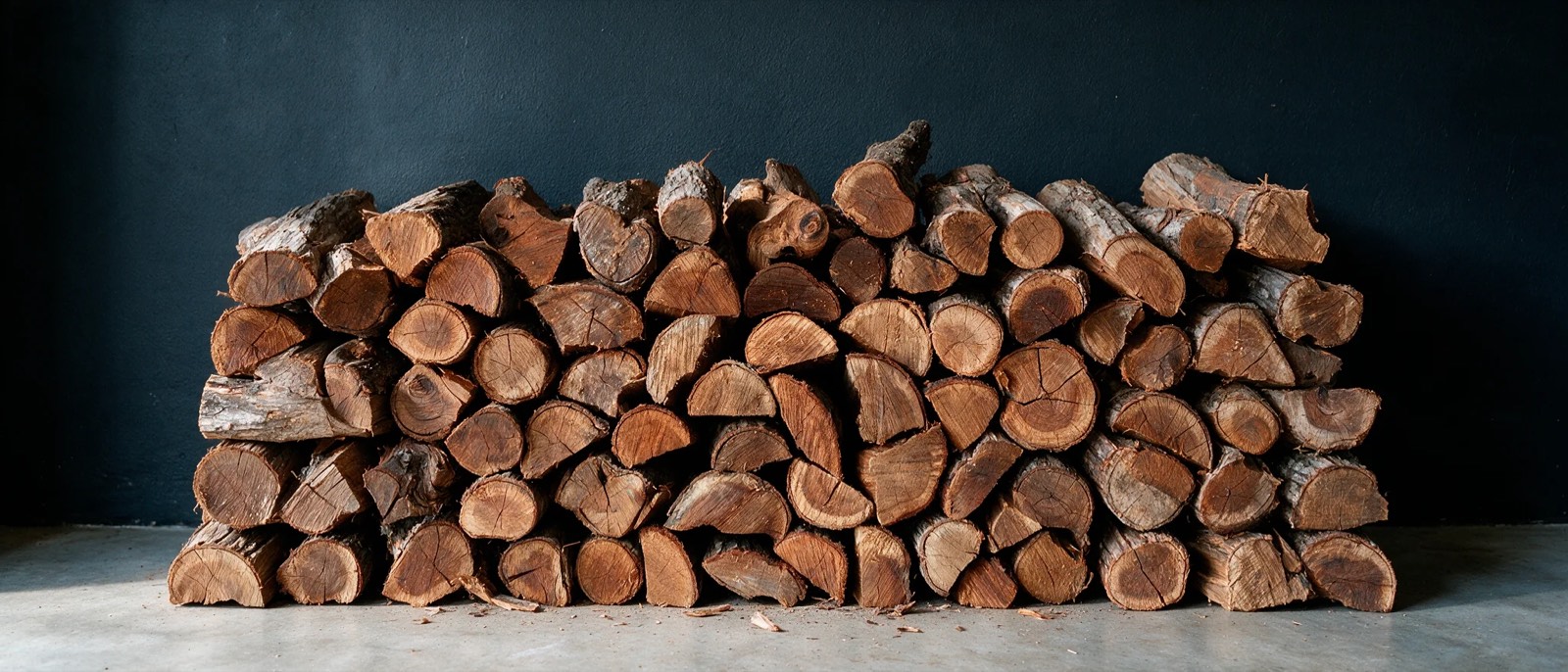 Shop RooikransThe Cape braai wood. It takes a flame without a fight and drops into coals fast, for quick braais: chops, wors, chicken and steak.
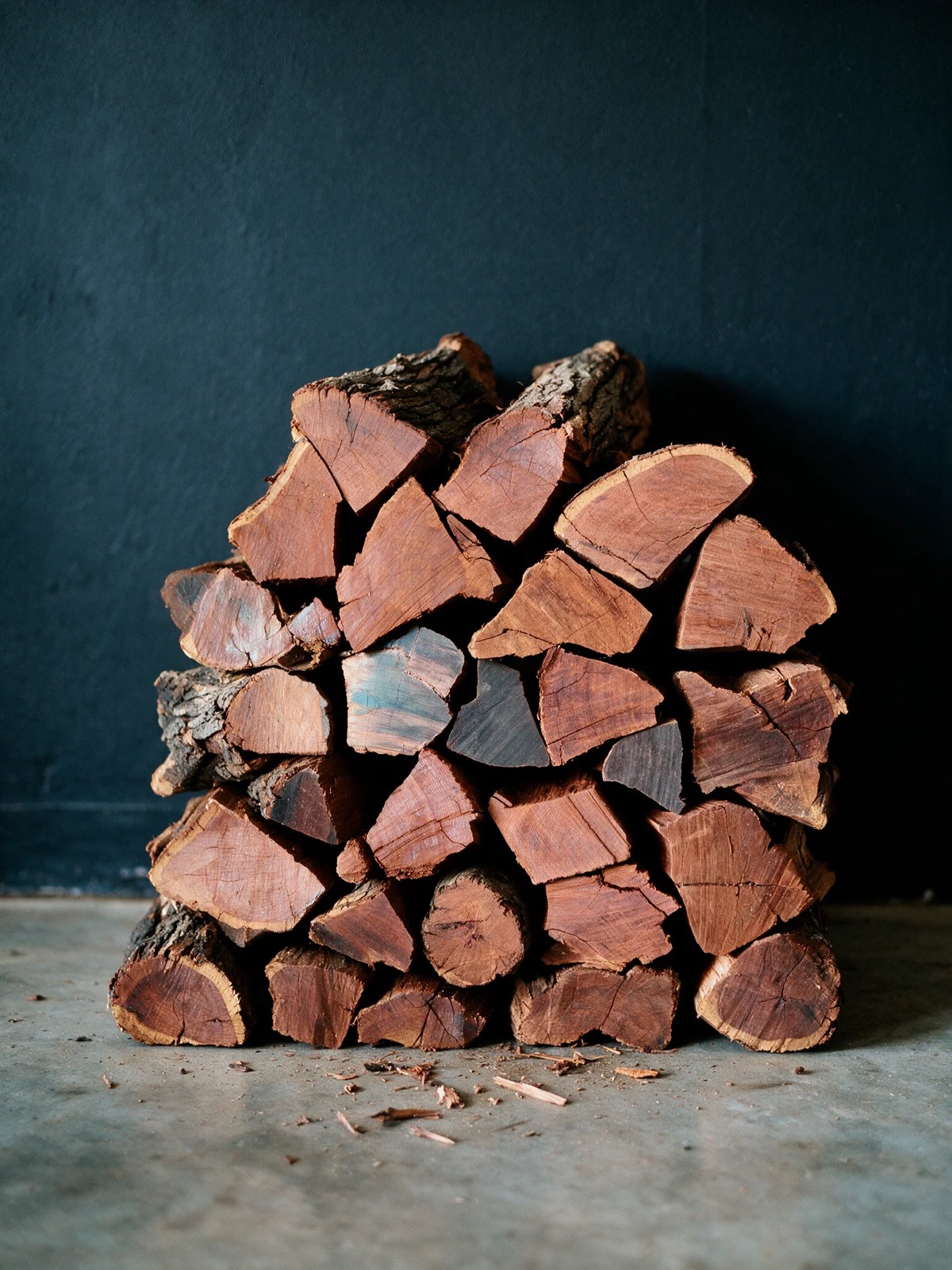 Shop KameeldoringDense Kalahari hardwood for long, slow braais and potjie. Slow to catch, then long, steady heat and coals that keep going.
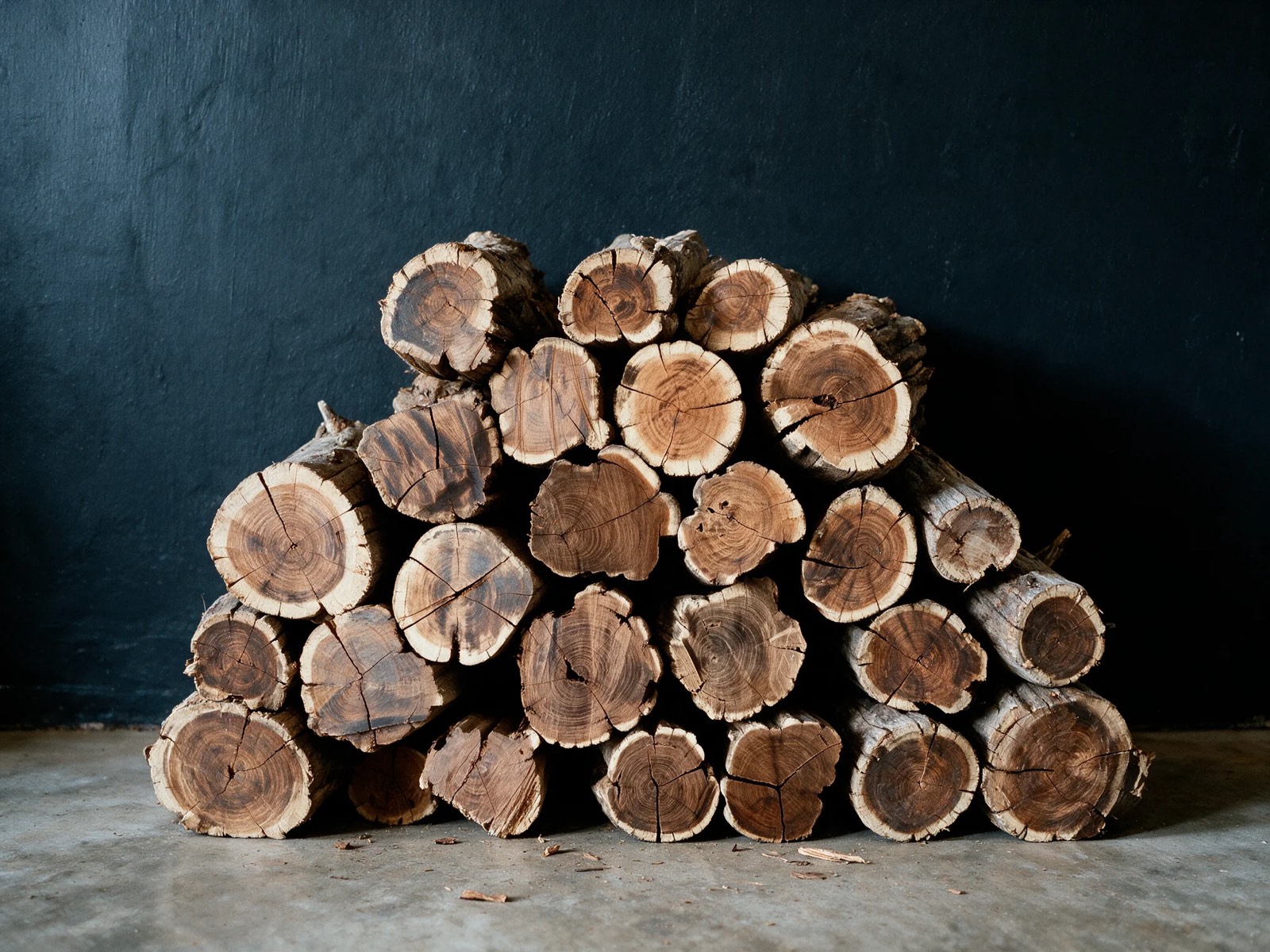 Shop SekelbosDense Namibian hardwood for the braai. It lights readily, burns hot and makes coals that hold, for potjie, thick cuts and anything that needs steady coals.
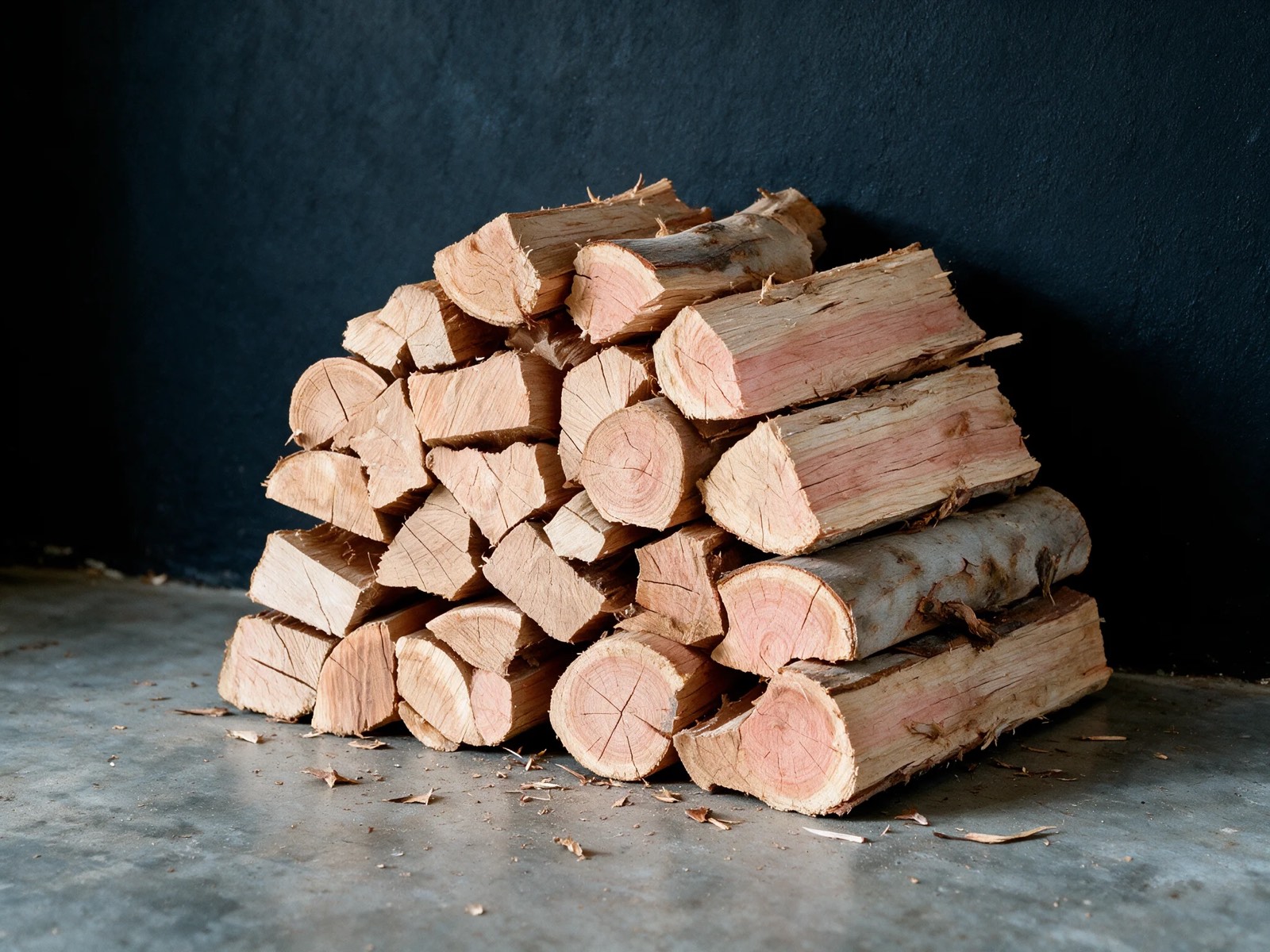 Shop Blue Gum (Bloekom)Our fireplace wood. It lights easily, burns hot and holds its heat between reloads, for the kaggel or closed combustion fireplace all winter.