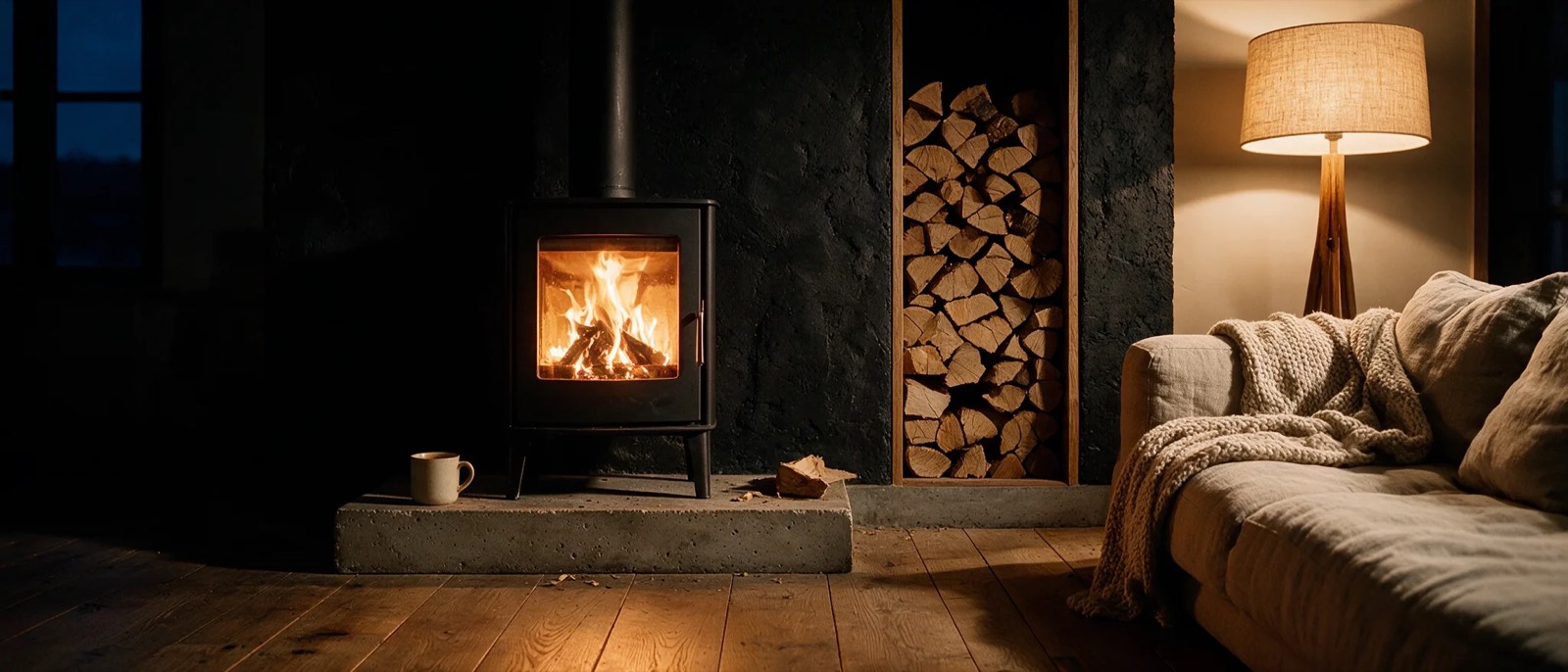
Smoke-Free Fireplaces: Smart Firewood Habits
Green wood makes up to five times more smoke than dry wood. The habits that give you a clean, long-burning fire indoors, and why bloekom is South Africa's favourite fireplace wood.
 The Stompies teamUpdated 6 min read
In this article
Is your evening relaxation by the fireplace turning into a smoke-filled struggle?
The right wood makes all the difference between choking haze and blissful warmth in your home.
Properly seasoned hardwoods create clean-burning, smoke-free fires (when dried to less than 20% moisture content).
The end-user such as yourself seek the perfect balance between exceptional and long lasting heat output when spending time with family and friends around the fireplace.
Blue Gum (Bloekom) Firewood remains South Africa’s top fireplace choice, and for good reason (let’s see why).
This efficient burner produces remarkable heat with very little smoke when properly dried, something Stompies refers to as their “dry wood guarantee” promise.
Dense, dry wood is non-negotiable for a smoke-free experience.
Green or wet wood not only produces excessive smoke but builds up dangerous creosote in your chimney over time, more on the dangers (fire hazard etc.) and how to avoid this later on (stick around).
How you use your fireplace matters just as much as what you burn in it.
The perfect wood selection combined with proper fireplace techniques eliminates almost all indoor smoke issues.
At Stompies, we’ve tested every wood type in this guide to help you enjoy pristine, smoke-free warmth throughout winter.
Ready for cosy, smoke-free evenings by the fireplace?
Key Takeaways
- Moisture content is the #1 factor influencing smoke output.
- Hardwood density directly affects heat and burn time.
- Proper airflow and log sizing reduce smoke.
- Storage impacts burning performance.
- Burning habits matter just as much as wood choice.
Best Wood for Fireplace Use in South Africa
Looking for the perfect wood to keep your fireplace burning clean and smoke-free?
After testing every popular South African fire wood variety over the past 5 years, we’ve compiled these tips and recommendations to help you create the most enjoyable fireside experience.
As alluded to earlier, moisture content determines smoke levels more than any other factor.
Any wood around 20% moisture will smoke excessively, regardless of type or origin.
For best results, use properly seasoned wood that’s been dried for a period of time, reducing moisture content.
Bloekom Dry Wood Test
Here’s how you can tell if your Bloekom is dry:
- Dry Bloekom feels significantly lighter than fresh (green) logs of the same size.
- Look for visible radial cracks (checking) on the cut ends of the logs.
- Dry Bloekom often fades to a lighter, greyish-brown tone.
- Bang two logs together: Dry wood gives a sharp, hollow “clack” sound.
Local hardwoods deliver superior performance in fireplaces around South Africa.
Here’s why certain woods stand out:
- Blue Gum/Bloekom provides exceptional heat with minimal smoke when properly dried. This widely available option burns consistently for 3-4 hours per load.
- Black Wattle offers high heat efficiency and extended burn times compared to alternatives, making it ideal for overnight heating.
- Sekelbos and Kameeldoring represent premium indigenous options with naturally low moisture levels. Though pricier, they justify their cost with remarkably clean burns and intense heat output.
| Wood Type | Heat Output | Burn Time | Smoke Level | Best For |
|---|---|---|---|---|
| Blue Gum (Bloekom) | Very High | Medium | Low (when dry) | Everyday use |
| Black Wattle | Medium-High | Medium | Low-Medium | Easy starting |
| Sekelbos | Very High | Long | Minimal | Clean indoor burning |
| Kameeldoring | Extreme | Very Long | Minimal | Extended burning |
Smart Firewood Habits for a Cleaner, Longer Burn
Proper airflow remains crucial for smoke reduction, the same logic behind the braai smoke issue.
Even the best wood will smoke if your fireplace lacks adequate ventilation or proper draught control.
Size matters significantly (bigger is not always better).
Split your logs to approximately 10-15cm in diameter for optimal burning.
Logs that are too large burn inefficiently and create more smoke, while pieces that are too small burn too quickly – find a balance.
Storage techniques directly impact burning quality.
Keep your wood elevated off the ground under cover that shields from rain while allowing airflow from the sides.
This prevents moisture reabsorption that leads to, you guessed it, smoky fires.
Avoid burning recently cut “green” wood at all costs.
Fresh-cut wood contains 45-50% moisture and produces up to five times more smoke than properly seasoned wood.
Note: softwoods like pine might seem convenient for quick lighting, but (BIG but) they create excessive resin buildup in chimneys and generate significantly more smoke than hardwoods.
For indoor fireplaces specifically, dense indigenous hardwoods provide superior performance.
These woods not only reduce smoke but also require fewer logs to maintain comfortable temperatures, resulting in less frequent reloading.
Top tip: starting with smaller kindling in a top-down arrangement allows proper airflow establishment before adding larger pieces.
Consider your specific needs when selecting firewood.
- If you need quick heat for shorter periods, medium-density woods like Black Wattle offer better value.
- For all-night heating, premium options like Kameeldoring justify their higher cost through extended burn times.
Regular chimney maintenance complements your wood selection, something any employee at Stompies would always recommend.
Even with the best firewood, neglected chimneys accumulate creosote that restricts airflow and increases smoke production.
Ultimately, the best wood combines proper seasoning, appropriate density, and suitable sizing for your specific fireplace.
This trifecta of factors, rather than simply choosing a particular species, ensures the clean, efficient burns that make fireside evenings truly enjoyable.
Moisture Content
Moisture content impacts smoke production more than the wood type itself.
Freshly cut “green” wood holds 45-50% moisture and produces up to five times (5x) more smoke than properly dried wood.
For smoke-free burning, firewood should contain 15-20% moisture.
Higher levels can cause:
- Excessive smoke filling your home.
- Difficult ignition and poor flame maintenance.
- Reduced heat as energy wastes on water evaporation.
- Dangerous creosote accumulation in chimneys.
Testing wood dryness is simple.
Strike two pieces together – dry wood creates a clear, ringing sound instead of a dull thud.
Look for radial cracks at the ends and bark that peels easily – both signs of properly seasoned wood.
Drying times vary based on climate and wood type (be sure to buy at Stompies).
Here in SA, hardwoods need 6-12 months of proper drying, while softwoods require 3-6 months.
These timeframes depend on good airflow, protection from rain, and keeping wood elevated off the ground.
Heat Output & Burn Time
Heat output varies dramatically across wood types.
This difference stems from wood density and cellular structure – denser woods simply pack more potential energy per log.
Kameeldoring gives off more heat than Blue Gum or Sekelbos, and its coals hold that heat for longer.
This extra output makes a noticeable difference in how quickly your space warms up and how consistent the temperature remains.
Burn time links directly to density.
Higher density hardwoods burn significantly longer than softwoods or less dense options.
This makes them perfect for overnight burning when you need sustained heat without midnight refuelling.
Fun fact: Black Wattle burns approximately twice as long as equal-sized Pine logs, making it far more economical despite the higher initial cost (you pay for quality heat).
The finest indigenous hardwoods sustain burning for 4-5 hours per load.
Heat retention after flames disappear matters just as much as active burning.
Woods like Kameeldoring continue radiating substantial heat from their coals long after visible flames subside.
This quality proves invaluable during load-shedding or when you need consistent overnight warmth.
Selecting the right firewood means balancing immediate heat needs against burn time.
For quick evening warmth, medium-density options offer better value.
For all-night heating, premium hardwoods justify their higher cost through significantly longer burn times and superior heat output
The Elements of a Perfect Burn
It’s not just luck that makes a fireplace warm and smoke-free; it’s using the right wood, in the right condition, and the right way.
Hardwoods that are dry and the right size give off steady heat and little smoke.
These things, along with careful storage, good airflow, and regular chimney maintenance, all work together to make a safe and enjoyable fireplace experience.
You can smartly manipulate your fireplace by knowing how the type of wood (kaggelhout), the amount of moisture, and the way you burn it all compliment and add to an enjoyable experience.
This perfect balance will help you get short bursts of heat in the evening or heat that lasts all night.
A good fire doesn’t just warm up a room; it changes the mood.
We’ll leave you with the following thought: “The right amount of preparation, knowledge, and respect for the fire itself is what makes a perfect burn.”
Woods in this guide
Dried, bagged and delivered by Stompies, stacked where you want it.
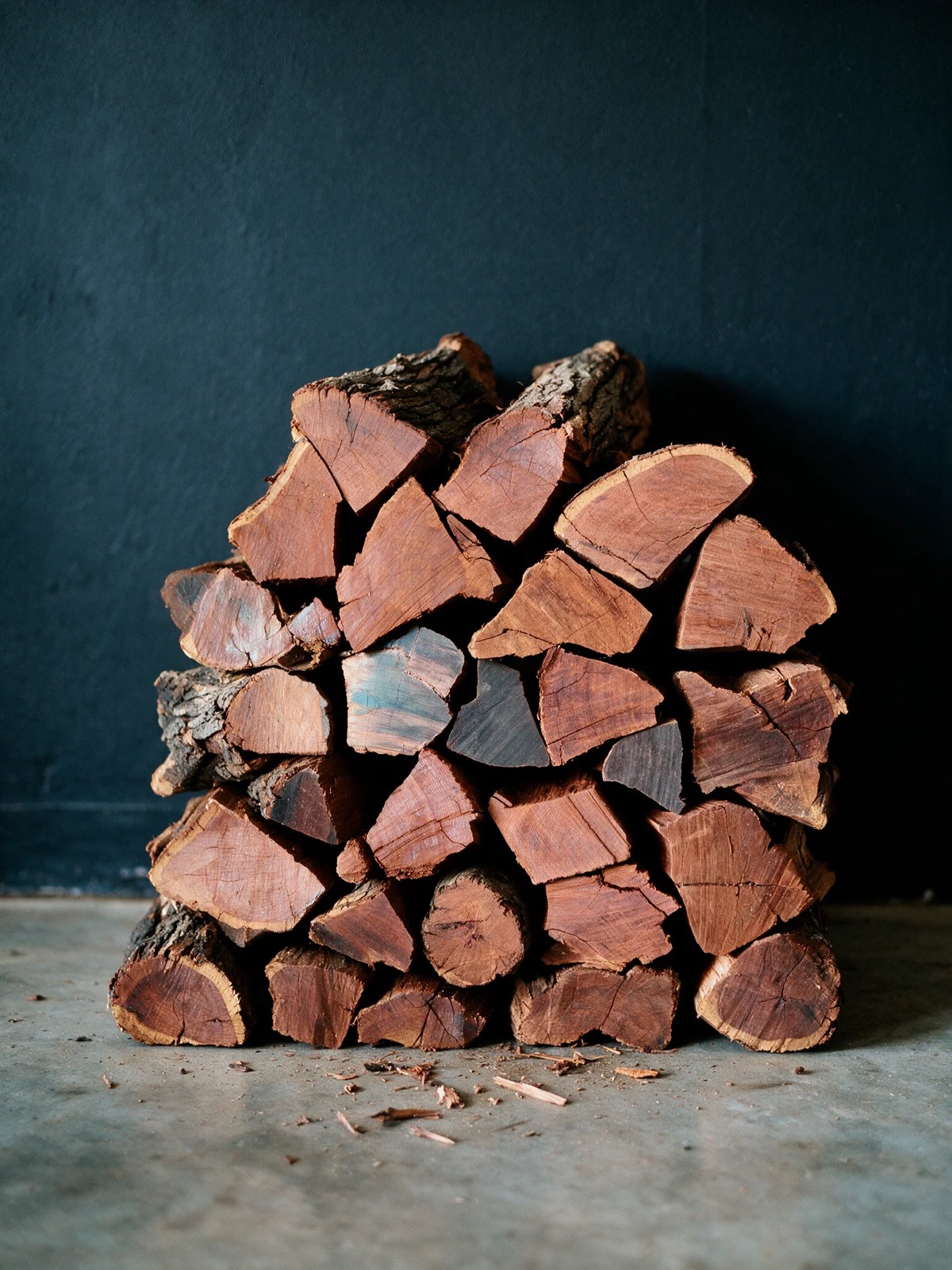 Shop KameeldoringDense Kalahari hardwood for long, slow braais and potjie. Slow to catch, then long, steady heat and coals that keep going.
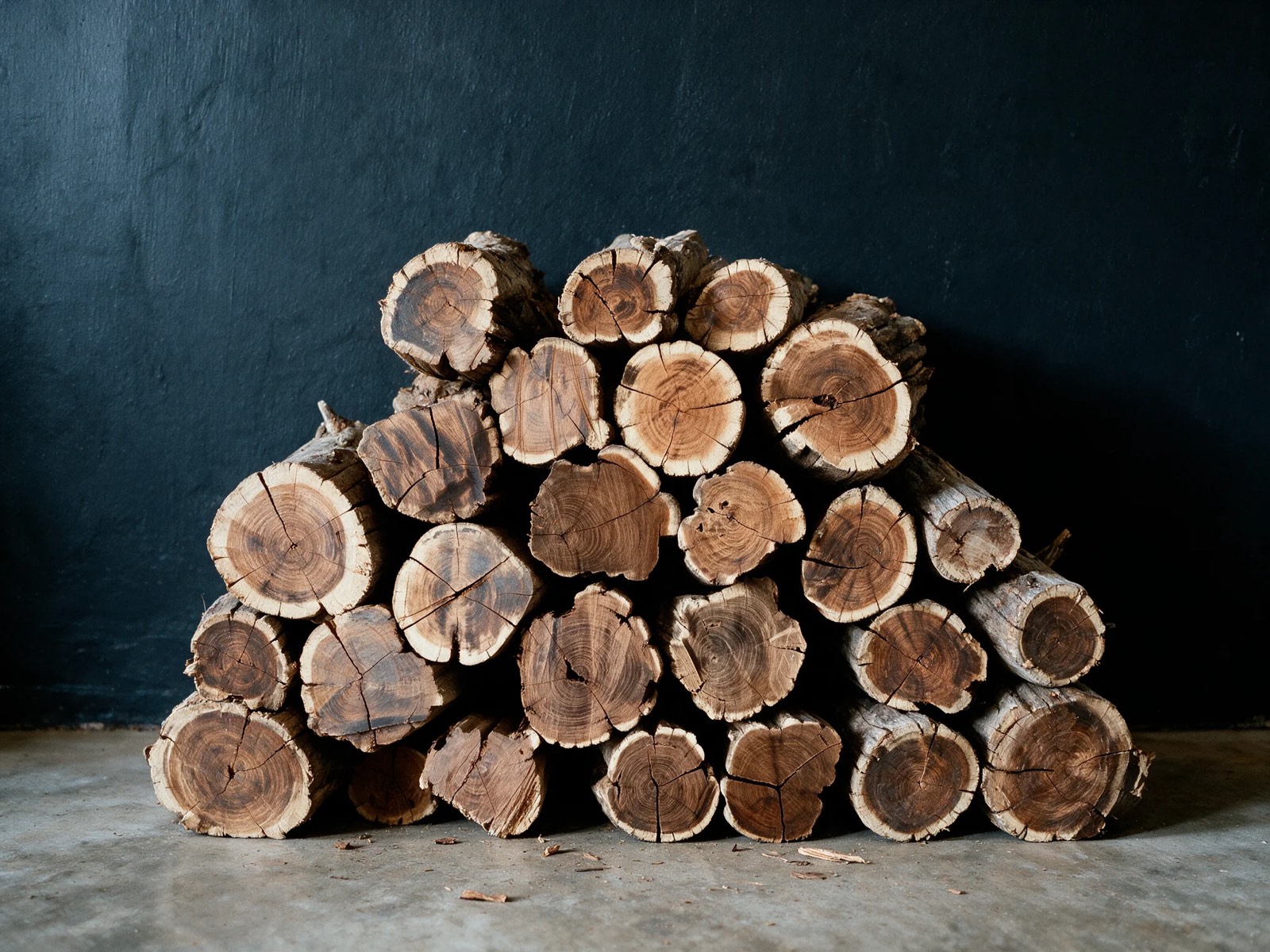 Shop SekelbosDense Namibian hardwood for the braai. It lights readily, burns hot and makes coals that hold, for potjie, thick cuts and anything that needs steady coals.
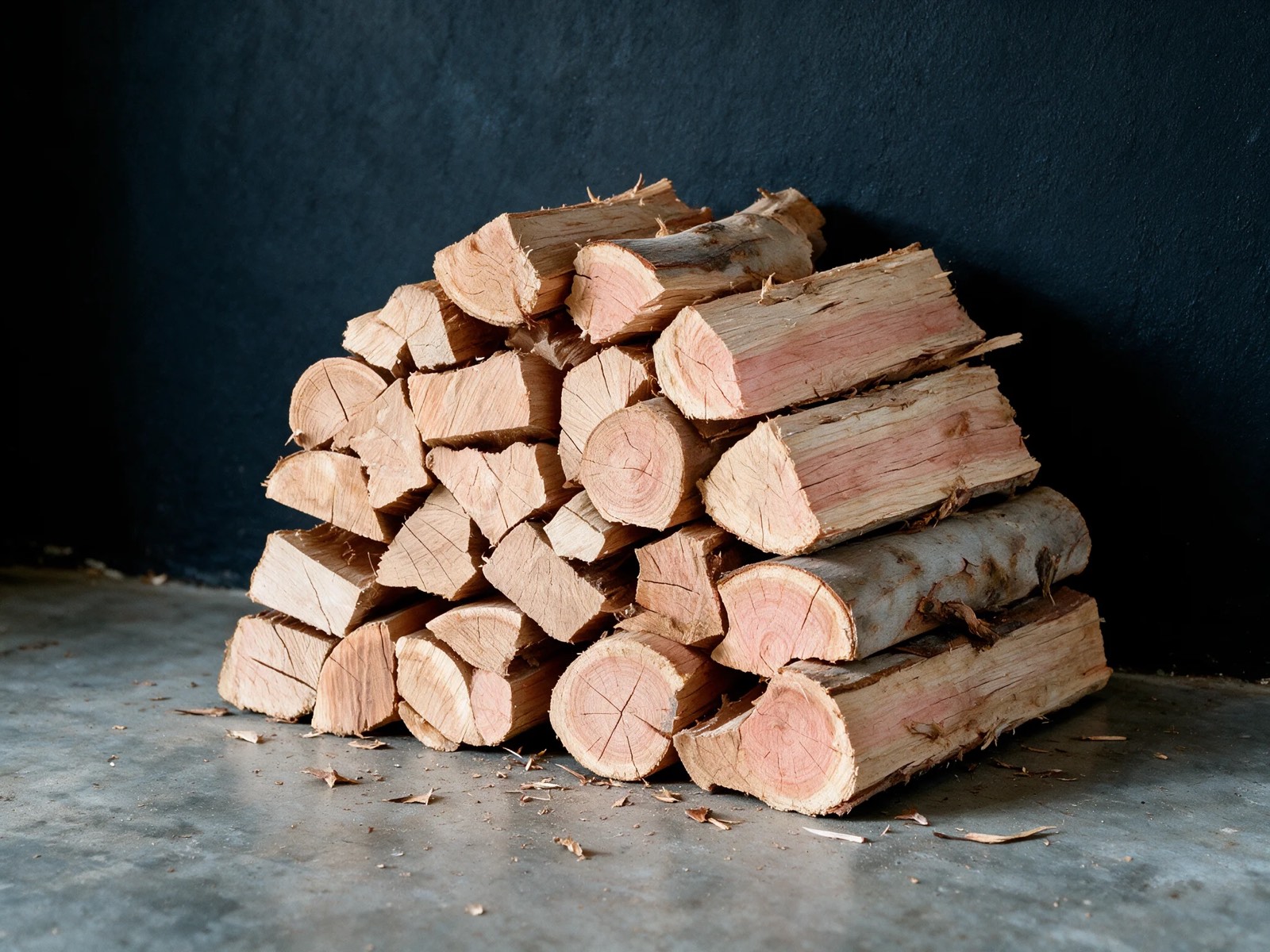 Shop Blue Gum (Bloekom)Our fireplace wood. It lights easily, burns hot and holds its heat between reloads, for the kaggel or closed combustion fireplace all winter.