How to Rescue Wet Firewood: Quick-Dry Guide for Perfect Braai
Logs that hiss, smoke and won't catch? Five ways to dry damp wood fast and simple tests that tell you it's ready. Or skip the wait: ours arrives dry.
 The Stompies teamUpdated 7 min read
In this article
Why Wet Firewood Ruins a Good Braai
Tossed logs onto your braai only to watch them hiss, smoke, and stubbornly refuse to light?
Excessive moisture in your wood is the culprit.
Wet wood stands as the enemy of a proper South African braai.
How moisture affects combustion
Wet firewood wastes most heat energy on evaporating water instead of cooking your boerewors.
High moisture levels mean wet wood produces substantially more smoke – up to three or four times as much as properly dried logs.
This creates inefficient and potentially dangerous conditions.
Water vapour decreases burning temperature, contributing to unpleasantly smoky fires and soot formation.
Lots of our customers found us after struggling with soggy wood from other places – too much smoke, not enough fire.
Wet wood burning also creates perfect conditions for creosote formation.
The combination of condensation, gas and particles released cool down, forming a sticky, tar-like substance that clings to chimney walls.
This highly flammable creosote increases the risk of chimney fires.
The 20% moisture rule for clean burning
Properly dried firewood should contain approximately 20% moisture or less.
This sweet spot ensures wood burns cleanly and efficiently.
Wood with moisture content above 40% is considered ‘wet’ or ‘green’.
Seasoned wood typically contains around 30% moisture.
For optimal burning, aim for 15–20% moisture content – that’s when you’ll achieve those perfect coals for your chops.
The performance difference is dramatic.
Dry wood under 20% moisture produces less smoke, creates less creosote buildup in chimneys, generates more usable heat, and lights easier.
Proper wood drying makes all the difference.
Trying to light wet wood is like trying to braai in the rain – not impossible, but nobody’s having fun.
Common causes of wet firewood
Several factors can dampen your braai plans.
Fresh-cut or “green” wood contains up to 50% water or more – making it practically useless for braaiing immediately.
Wood acts like a sponge, absorbing moisture from its surroundings.
Rain exposure, high humidity, or improper storage can increase moisture content even in previously dried wood.
Storing wood directly on the ground instead of elevating it creates another common problem.
Proper wood storage and preparation remain vital for maintaining that perfect 20% moisture level for your next gathering.
Step-by-Step: How to Dry Wet Firewood Fast
1. Split logs into smaller pieces
Split large logs into halves or quarters to dramatically increase surface area exposed to air.
This allows moisture to escape more rapidly from the wood’s interior.
The sooner you split after harvesting, the faster internal water content escapes.
Each split creates fresh surfaces where trapped moisture can evaporate.
Pro tip: Smaller logs = faster drying.
Bigger logs = more gym time.
2. Stack in a criss-cross pattern for airflow
Arrange split wood in a criss-cross pattern to promote maximum air circulation between logs.
This method creates natural ventilation channels, unlike tightly packed wood that traps moisture.
The stacking technique also creates a stable structure that won’t collapse as wood dries.
Give each piece breathing room – proper spacing allows airflow to work effectively around every log.
3. Store in a sunny, breezy location
Place your wood stack in the brightest, breeziest spot in your yard.
Sun naturally evaporates moisture while wind carries it away.
Outdoor drying in direct sunlight significantly speeds up the process compared to wood shed storage.
Even during summer thunderstorms, the combination of heat and airflow works more effectively than indoor storage.
4. Use a tarp – but only on top
Cover just the top of your stack with a breathable tarp while leaving the sides completely exposed.
This arrangement shields from rain while allowing crucial airflow from the sides.
Create a slight peak in the middle of your cover for better water runoff.
The key is protecting from moisture above while maintaining ventilation below.
Cover the top, not the sides – it’s not a birthday cake, it still needs to breathe.
5. Elevate wood off the ground
Elevate your stack on pallets, treated wood boards, or purpose-built racks to prevent ground moisture absorption.
This blocks dampness from seeping upward into your logs.
Without elevation, the bottom layer becomes a moisture sponge, creating perfect conditions for rot and mould.
Proper elevation also deters insects that could make your firewood their new home.
Speed Boosters: Tools That Help Dry Firewood Quicker
Weather not cooperating with your drying timeline?
Mechanical helpers can slash waiting time from months to days.
Here’s how to turbocharge the drying process with these proven tools.
Using a dehumidifier in enclosed spaces
Dehumidifiers create the perfect environment for speedy drying in covered areas.
These machines pull moisture from the air, creating dry conditions that draw water out of your logs.
Place your wood in a garage or shed with proper spacing between pieces.
Running a dehumidifier near stacked wood dramatically accelerates moisture loss, especially during those notorious Cape Town winter rains.
At Stompies, we recommend pairing dehumidifiers with proper stacking techniques for maximum effectiveness.
Placing fans near stacked wood
Fans boost drying efficiency through constant air circulation around your wood pile.
Position electric fans to blow directly at log ends where moisture escapes most rapidly.
Fans work best when relative humidity stays below 87% for wet wood and under 80% for drier wood.
Even in cooler temperatures, good airflow continues the drying process, though slower than summer months.
Fans work particularly well combined with other drying methods.
Want to try the sugar trick?
That same sugar from your kitchen can actually help ignite your braai because it burns at high temperatures!
It’s the only time setting sugar on fire actually improves your day.
Know When Your Firewood is Ready
Using a moisture metre
A moisture metre gives you precise readings of your wood’s water content.
These handy gadgets are available at most hardware stores for under ZAR 540.
Split your log and immediately test the freshly exposed inner surface.
Insert the metal prongs about 6mm into the wood across the grain, not with it.
For braai-worthy firewood, aim for readings below 20% moisture content.
At Stompies, we say “If the metre reads over 20, your chops will have to wait!”
Sound test: knock two logs together
No moisture metre?
Simply knock two pieces of firewood together.
Dry wood produces a clear, hollow, ringing sound.
Wet wood makes a dull thud.
This centuries-old method is surprisingly reliable, though beware that in frosty weather, even damp wood can sometimes produce a ringing sound.
Our customers often say this test feels like playing musical instruments at the braai!
Visual signs: cracks and colour
Properly dried firewood typically shows visible cracks in the end grain and has a lighter, greyish appearance compared to fresh-cut wood’s vibrant colour.
The bark often starts to separate from well-dried logs.
Dry wood should feel hard to the touch and free from mould or fungi.
Always look for these telltale signs before striking that match.
Weight comparison with wet wood
Dry wood feels significantly lighter than its wet counterpart.
Freshly cut wood can contain water weighing up to 50% of its total mass.
For a rough comparison, a dry piece of bloekom might weigh about half as much as a milk carton, whereas a damp piece could weigh more than a full carton.
Testing weight is among the simplest yet most effective ways to judge if your firewood is ready for a proper South African braai.
If it feels like lifting a gym bag full of wet towels – it’s not ready yet.
Ready for Your Next Perfect Braai?
Dry firewood makes the difference between a great braai and a smoky disaster.
Every technique we’ve shared works – splitting logs, proper stacking, choosing sunny spots, correct tarp use, and wood elevation.
Your mates are arriving with coolers full of boerewors?
The speed-boosting methods rescue even the dampest logs.
Fans and dehumidifiers turn hopeless situations into braai victories.
Testing your wood’s readiness gives you confidence before lighting that first match.
Knock logs together, check for cracks, or use a moisture metre.
These simple checks prevent smoky disappointments.
We believe there’s nothing quite like gathering around a long burning fire, and at Stompies, we’re proud to be part of that tradition.
A proper braai brings people together without the drama of fighting stubborn, wet wood.
Faced with damp firewood?
Don’t stress! Follow these techniques and you’ll be sorted.
Your guests will marvel at how quickly your fire starts and how little smoke they dodge while enjoying their drinks.
Every great fire starts with the right fuel.
Stock up now with our premium dry wood and be ready for your next gathering!
Our guaranteed dry wood ensures perfect braais every time.
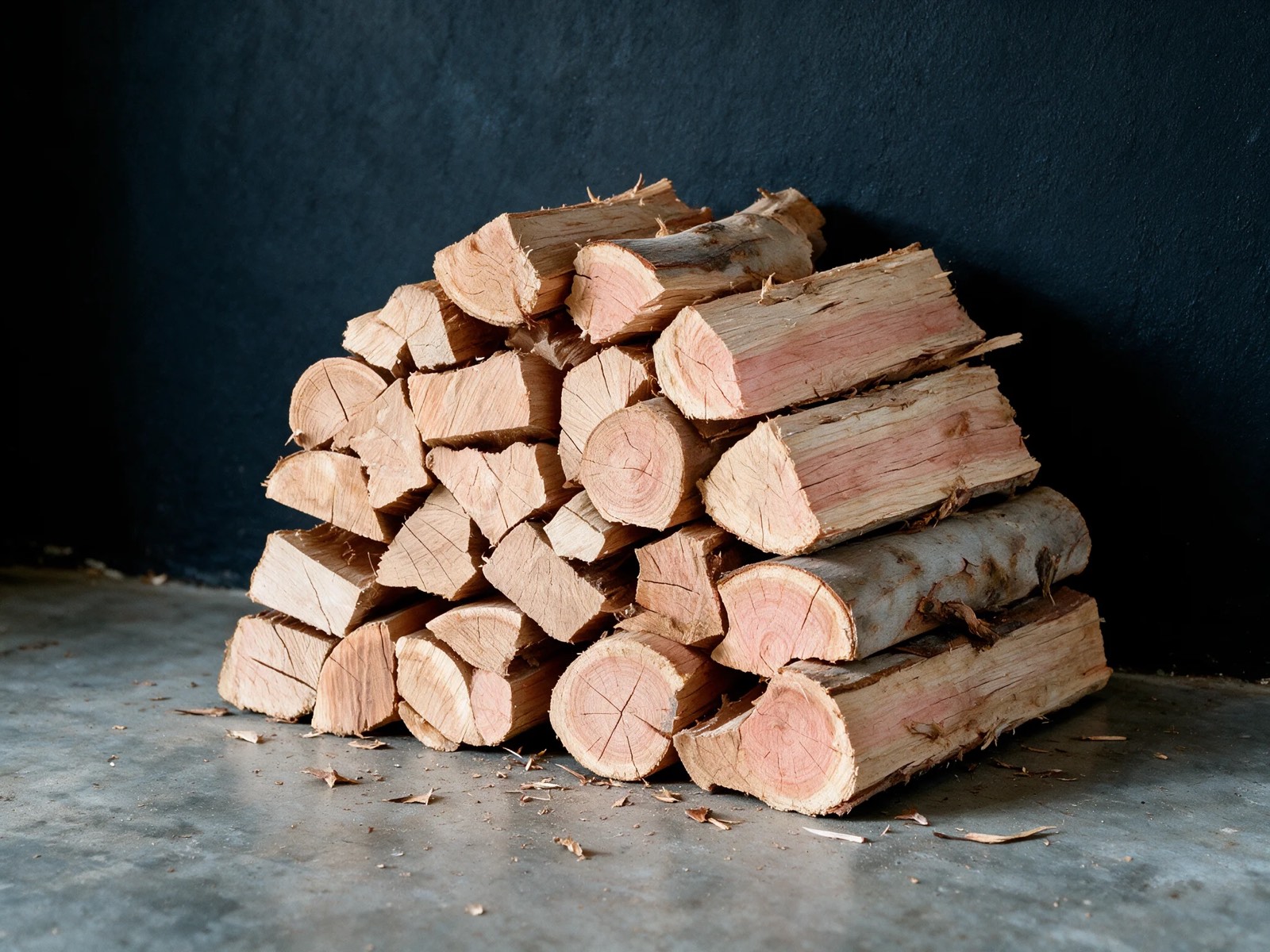
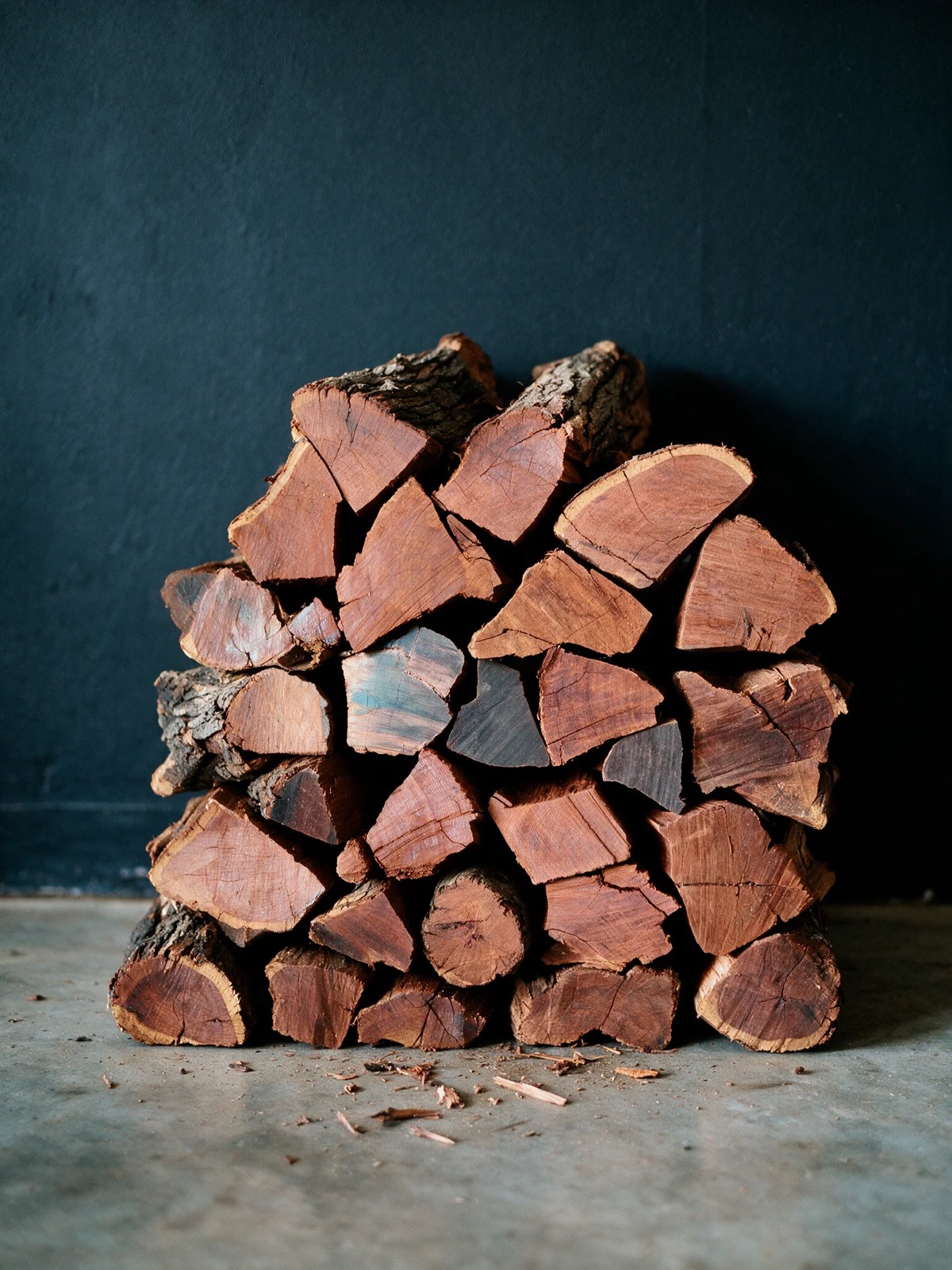
The wood in this guide
Dried, bagged and delivered by Stompies, stacked where you want it.