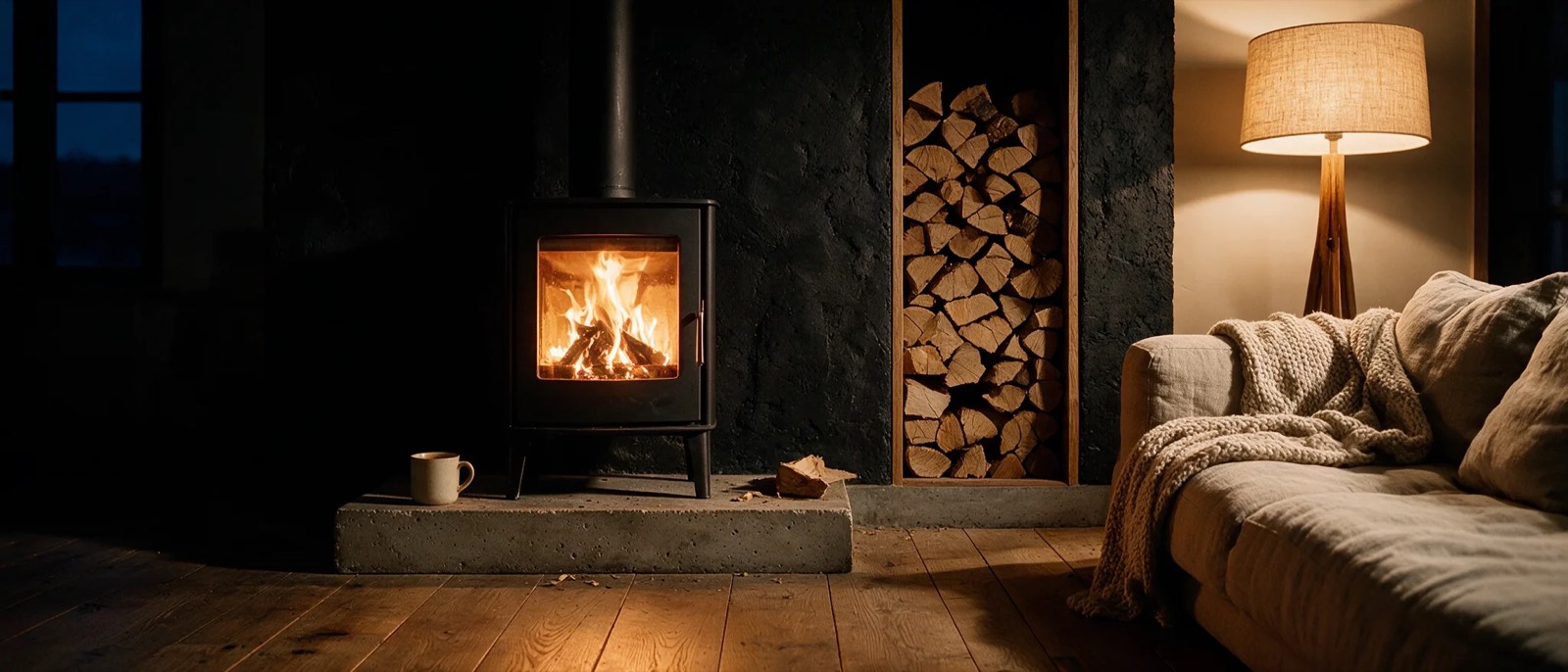
Namibian Hardwood: The Braai Legend’s Choice
Dried by the desert before it's cut, kameeldoring and sekelbos burn hot and long with little smoke. Which suits your braai, and how to get either delivered dry in the Western Cape or Gauteng.
 The Stompies teamUpdated 6 min read
In this article
Here’s something surprising: a fireplace powered by Namibian hardwood maintains its heat output beyond 24 hours after initial lighting.
Well, isn’t that just fabulous?
Who knew wood could be so dramatic?
Trust us when we say these hardwoods stand out as nature’s premium fuel source, delivering exceptional performance for both braai enthusiasts and fireplace (although not your best option) users.
Take note that premium varieties like Kameeldoring showcase remarkable characteristics that make them ideal for cooking and heating applications.
With kameeldoring running to roughly 1 185 kg/m³ dried, and the Namibian climate drying the wood in the ground before it is cut, these hardwoods generate longer-lasting, hotter flames while producing minimal smoke and ash.
By the way, Stompies guarantees that our premium braai wood is always dry and ready to create the perfect flames.
Allow us to explain.
The dry Namibian climate naturally enhances these woods’ burning qualities, resulting in consistent heat output and distinctive aromas that enhance the flavours of your favourite meats (tjops, chicken steaks, etc.).
Before you light the fire, here is everything you need to know about selecting and using Namibian hardwoods for your next braai or fireplace session, from their unique burning properties to their sustainable (because that is important) harvesting practices.
Why Braai Legends Choose Namibian Hardwood
Did you know that experienced braai masters across South Africa rely on three specific types of wood for their braai needs?
We’ve found that Sekelbos (Sickle Bush, Sekelbos), Kameeldoring (Camelthorn), and Mupane (Mopane) fall into this category.
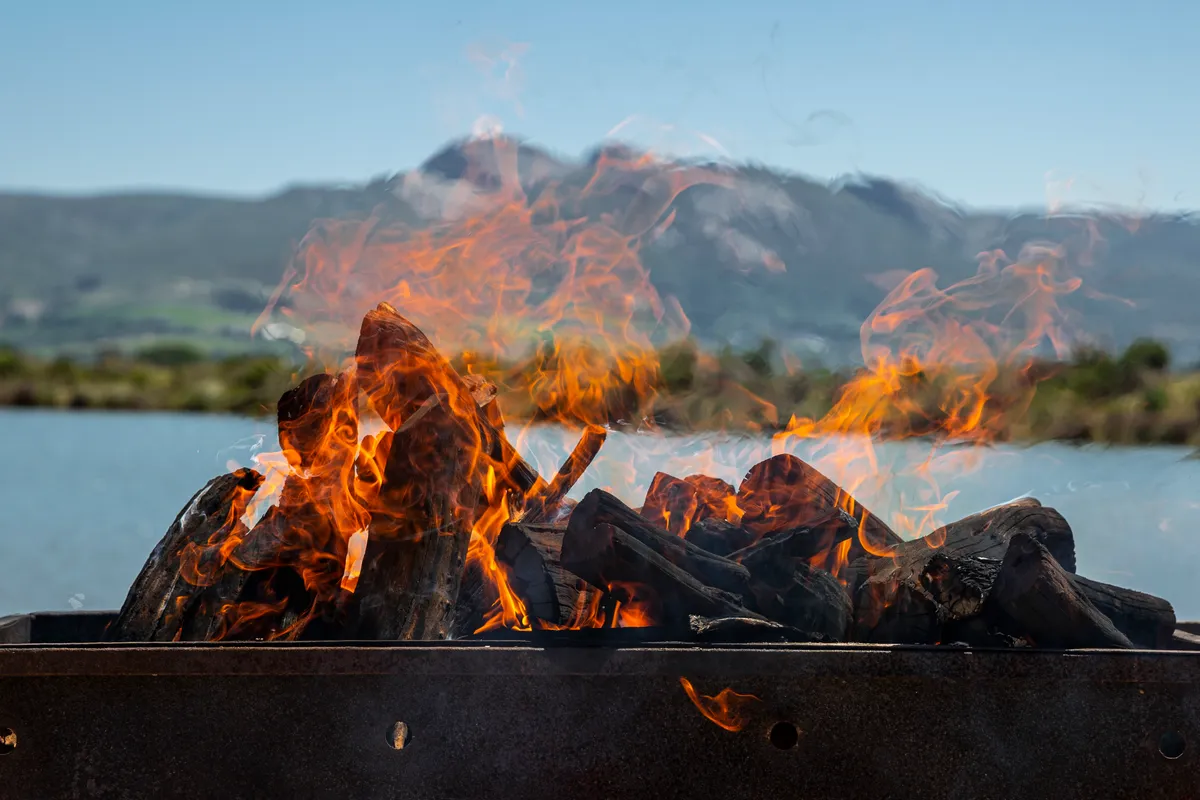
We have not forgotten about a popular Western Cape favourite: Rooikrans (we’ll focus on the topic in another article), a braai wood that creates large, hot coals and lasting flames.
Namibian Sekelbos
Here is an intriguing wood fact for you: Sekelbos, a popular Namibian hardwood, has a density of 825 kg/m³.
The flames dance in red-orange hues, reaching skyward without the usual smoke issues (we call it premium burn quality).
But when it comes to enhancing meat flavours, this wood speaks for itself.
From a braai lover’s perspective, the bushveld scent it produces sets it apart from alternatives.
The heat produced by Sekelbos sticks around for a good 3-4 hours, which makes it perfect for those serious about their braai technique (everyone knows what we are talking about).
Namibian Kameeldoring
On to the Kameeldoring, another Namibian hardwood go-to, at roughly 1 185 kg/m³ dried, this beast earns its “Iron Wood” nickname.
The flames burn steady and controlled (more time to enjoy the company).
Man, oh man, when that authentic African aroma hits, you know you’re in for a treat.
We’ll bet you’ll come to appreciate how it keeps the fire going through those long, engaging conversations without the need for constant tending, allowing you to focus on enjoying the moment with friends and family.
Namibian Mopane
Before we move on to the next Namibian hardwood, Mopane, let’s clear up one thing: it’s among the densest woods available, clocking in at around 1200 kg/m³.
Note that density is not the only factor in choosing wood for the right occasion.
While it’s not everyone’s first pick for every use case, Mopane hardwood is well-respected for its high heat output and long-lasting burn, making it a solid option for fireplaces and overnight heat.
Even termites tend to avoid it.
When burnt, it gives off a subtle blue-purple flame that continues radiating heat long after the fire has gone out.
This benefit is a quiet bonus for those who prefer warmth without constant tending.
Stompies does not stock mopane. Our Namibian range is kameeldoring and sekelbos, both delivered dry in 15 kg bulk bags across the Western Cape and Gauteng.
Typical Moisture Content of Namibian Hardwoods
Is moisture content an important factor to consider when shopping for your next few 15kg bags of wood?
The exceptional value of Namibian hardwoods stems from their naturally reduced moisture levels — a direct consequence of the arid environmental conditions and gradual developmental pace of the region’s tree varieties.
Below is a three-column overview of the typical moisture content for the most commonly used Namibian hardwoods in braaiwood, charcoal, and firewood:
| Wood Type | Average Moisture Content (%) | Notes |
|---|---|---|
| Sekelbos (Dichrostachys cinerea) | 5–7% | Naturally low moisture; burns clean and hot. |
| Kameeldoring (Vachellia erioloba) | 4–6% | Extremely dense; slow to ignite but long-lasting. |
| Mopane (Colophospermum mopane) | 5–8% | Very hard; excellent for coals; minimal smoke. |
Just for context and comparison against our local Western Cape preference, Rooikrans.
| Wood Type | Average Moisture Content (%) | Notes |
|---|---|---|
| Rooikrans (Acacia cyclops) | 20–35% (fresh), 8–12% (seasoned) | Fast-burning and aromatic; must be well-seasoned for optimal performance. |
Namibian hardwoods typically contain very little moisture, as indicated by the table above.
Tip: Combing woods can assist in effective temperature control, starting with Sekelbos before adding Kameeldoring.
The Flavour Profile Guide to Namibian Hardwoods
The concept might seem simple, but selecting the right wood for your braai impacts more than just heat; it’s about creating memorable flavours.
Let us explain how each variety brings its character to your Friday night braai.
Sekelbos emerges as the flavour champion.
Its oils create that unmistakable bushveld scent, giving meat a subtle earthiness that speaks of African authenticity.
The clean-burning red-orange flames enhance rather than mask your food’s natural taste.
Here’s why beef and game meats love Sekelbos – it lets their inherent flavours shine through while adding that perfect touch of smokiness.
Kameeldoring takes a more sophisticated approach.
When lit, it releases a gentle musky aroma that seasons food with remarkable subtlety.
The time has come to appreciate how this dense wood’s slow burn allows flavours to develop deeply.
Without a doubt, pork and lamb benefit most from Kameeldoring’s light, clean smoke.
Mupane plays the quiet achiever role.
More often than not, its contribution is gentle, a light smoky note (you know what we are talking about) that builds gradually.
Give it a try when you want warmth without heavy smoke – it’s perfect for maintaining moisture in your cuts while developing flavour.
On to the mixing magic… experienced grillers often start with Sekelbos’s bold profile for searing, then switch to Kameeldoring for finishing touches.
I can hear you say, “What about delicate meats, Stompies?”
Well, using these woods sparingly prevents overwhelming fish or poultry.
From Braai to Fireplace: Choosing the Right Wood
Take note that selecting wood for heating versus cooking requires different considerations.
In our professional opinion, understanding these nuances makes a significant difference in your outcome.
Here is what you need to know about indoor fireplaces
Traditional open fireplaces accommodate both Sekelbos and Kameeldoring effectively.
Yet closed combustion or glass-fronted units demand extra attention.
These installations face potential damage when using Kameeldoring exclusively.
The extraordinary heat output risks damaging internal components and glass surfaces.
A practical approach involves the “50-50 burn” method: combining Kameeldoring with local options like Black Wattle or Blue Gum.
This technique balances moisture levels while protecting your unit from excessive heat exposure.
Braai Wood with a Purpose
I must admit, when it comes to premium fuel sources, Namibian hardwoods stand unmatched.
In our experience, each variety brings something extraordinary to the fire.
Sekelbos ignites with vibrant flames, Kameeldoring delivers sustained warmth, and Mupane showcases impressive burn duration.
The dry climate concentrates their natural oils, resulting in minimal moisture levels and increased density.
Side note: Sekelbos dominates traditional cooking sessions, Kameeldoring excels during social gatherings, and Mupane, albeit less fragrant, maintains steady temperatures.
On to the conservation aspect: community-based forest management ensures these resources remain available.
Don’t worry; careful monitoring and legitimate sourcing practices help safeguard these slow-growing specimens.
Heck yeah, responsible consumers can contribute by selecting suppliers who prioritise sustainability (like us!).
Is this the end of our journey?
BIG no no.
Whether lighting up indoor spaces or hosting outdoor feasts, these woods transform ordinary moments into memorable gatherings.
At Stompies, we guarantee that our premium Kameeldoring and Sekelbos are always dry, well-seasoned, and ready to spark the perfect flame, every time you fire up the braai!
Tah-dah, that’s how South Africans’ cooking heritage lives on through every flame and ember.
Premium fireplaces, custom-tailored for your space
Whether you’re upgrading or starting from scratch, our premium freestanding fireplaces are made to fit your style—and your space. Complete with expert advice and nationwide installation, we make it easy to bring the heat home.
Woods in this guide
Dried, bagged and delivered by Stompies, stacked where you want it.
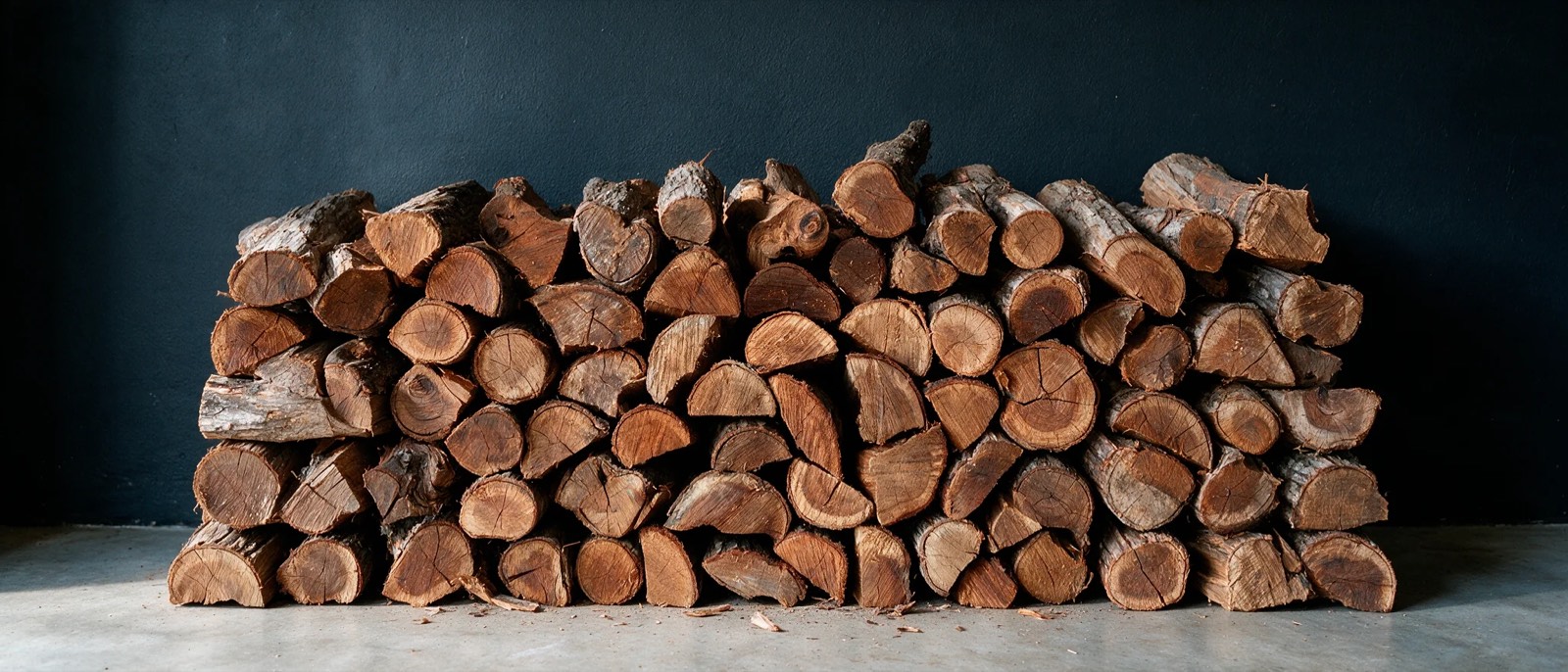 Shop RooikransThe Cape braai wood. It takes a flame without a fight and drops into coals fast, for quick braais: chops, wors, chicken and steak.
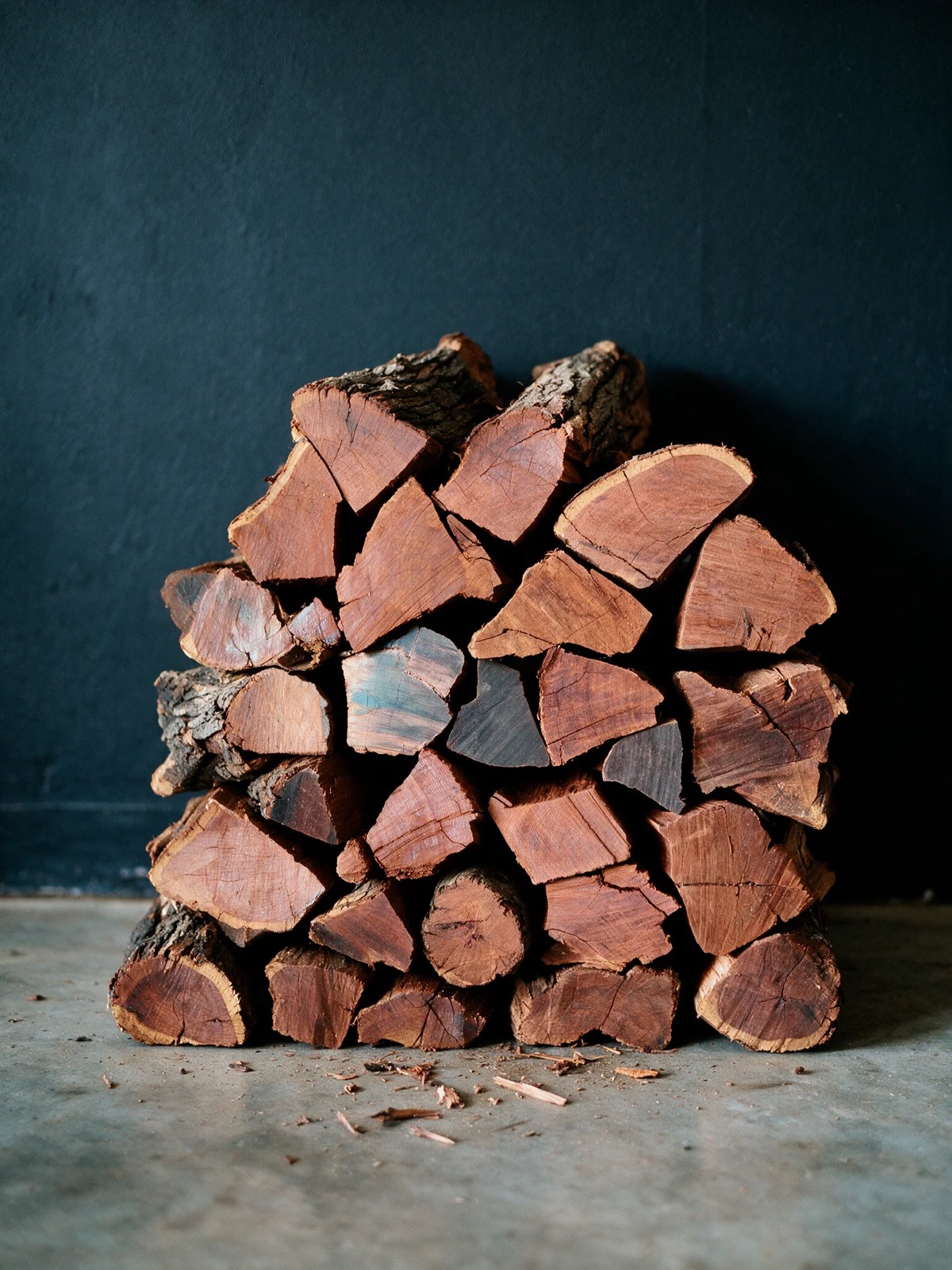 Shop KameeldoringDense Kalahari hardwood for long, slow braais and potjie. Slow to catch, then long, steady heat and coals that keep going.
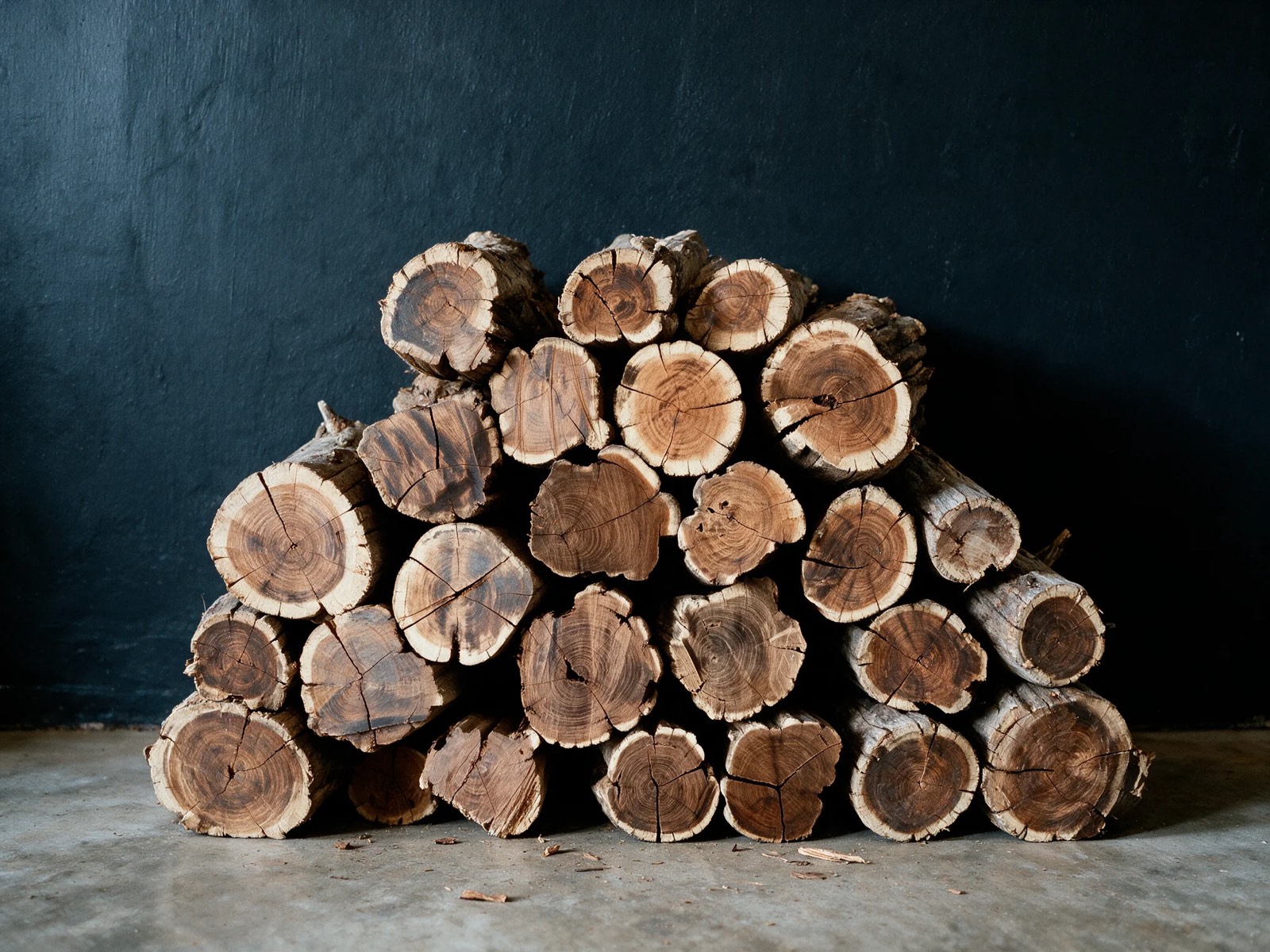 Shop SekelbosDense Namibian hardwood for the braai. It lights readily, burns hot and makes coals that hold, for potjie, thick cuts and anything that needs steady coals.
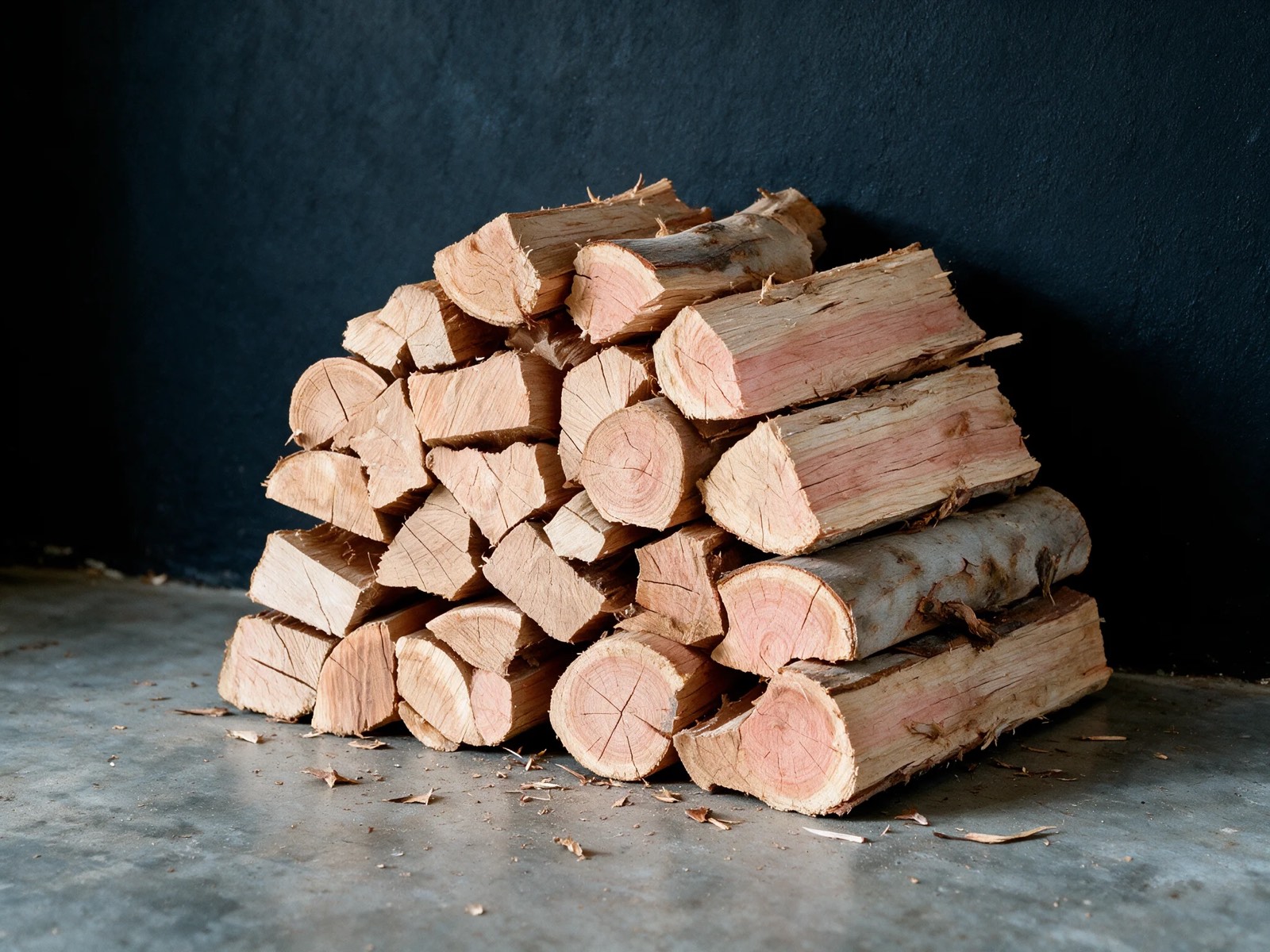 Shop Blue Gum (Bloekom)Our fireplace wood. It lights easily, burns hot and holds its heat between reloads, for the kaggel or closed combustion fireplace all winter.