Toxic Woods for Smoking Meat: A Braai Safety Guide for 2026
Pine regret is real. Which woods taint meat or give off harmful smoke, and which seasoned hardwoods give clean heat and good flavour, from mild to heavy.
 The Stompies teamUpdated 7 min read
In this article
The firewood you choose can make or break your braai, and even impact your health more than the crisp piece of fat on your steak.
Many braaiers focus on selecting premium cuts of meat whilst completely overlooking what’s burning beneath them.
This dangerous oversight can put families at risk (let’s get you informed – before your steak starts tasting like turpentine).
Common wood that appears to be harmless for a Friday night braai actually contains toxic compounds.
Softwoods like pine, redwood, fir, cypress, spruce, and cedar must NEVER touch your smoker or grill.
At Stompies, we believe the fire is part of the flavour – and it’s our job to make sure the flavour’s not chemical.
Choosing the right wood like Kameeldoring, Sekelbos, or Rooikrans can elevate your braai, while the wrong choice might compromise not only flavour but also your health.
Poor wood selection isn’t just a recipe for a bad braai; it’s a direct route to an upset stomach and a very awkward silence around the fire.
Mouldy wood releases mycotoxins straight into your food (not ideal at all).
Smoke from these toxins goes through your meat, posing a health risk to everyone who consumes it.
The experts at Stompies compiled this guide that reveals 5 toxic wood types (this will make you think twice) that are a definite no-go for your wood-fired smoker.
We’ll touch on the potential health risks each poses and recommend safer alternatives for you to consider for your next braai.
Pine and Other Resinous Softwoods
Pine and similar resinous woods pose serious dangers for braaiers, despite their easy availability in backyards.
Just because you can see the tree from your porch doesn’t mean it belongs in your fire.
Health risks of pine and softwoods
Smoking meat with pine and softwoods creates immediate health hazards.
Cedar smoke triggers “cedar asthma” through prolonged plicatic acid exposure.
Contact with cedar smoke causes dermatitis, skin irritation, rhinitis, and conjunctivitis.
Softwoods release formaldehyde, benzene, and acrolein when burned – these are all chemicals that cause respiratory damage and potential long-term health complications.
These toxic compounds settle directly on your meat, essentially contaminating food with harmful chemicals.
Flavour impact of pine and softwoods
The flavour alone should prevent anyone from using softwoods for braai.
Pine creates an “unpleasant chemical/pine flavour which is strong and choking”.
The taste is bitter, astringent, and distinctly chemical.
These woods make food taste so unpleasant that some people experience nausea after eating.
We call that “pine regret” at Stompies. It’s not a memory you want with your meat.
Mouldy or Fungus-Covered Wood
White or greenish patches on your smoking wood spell IMMEDIATE danger.
Many braai fans dismiss these warning signs, risking their family’s health.
Health risks of mouldy wood
Burning mouldy wood releases spores and toxins that cause immediate health problems:
- Respiratory difficulties including coughing, wheezing, and throat irritation
- Eye irritation and allergic reactions
- Dangerous asthma attacks for vulnerable individuals
- Headaches and flu-like symptoms
Those with existing asthma or mold allergies face significantly worse reactions.
Severe mycotoxin exposure can suppress immune systems and cause neurological complications.
Mould spores become airborne during burning, creating toxic conditions around your entire cooking area.
Everyone nearby – family, friends, and guests – faces exposure risks.
Flavour impact of mouldy wood
Mouldy wood destroys the flavour of premium cuts you’ve carefully selected.
Fungus-infected wood creates off-putting tastes and unpleasant smells that render food inedible.
These toxins penetrate smoke completely, contaminating your meal and potentially causing foodborne illness.
Your gathering could end with disappointed, and sick, guests.
(That’s not how you want to be remembered.)
Unseasoned Green Wood
Freshly cut wood appears ready for your braai, yet this deceptive timber harbours serious dangers for both flavour and health.
Toxic compounds in green wood
Unseasoned wood refers to freshly cut timber that hasn’t undergone proper drying.
This green wood struggles to burn efficiently, creating excessive creosote during combustion.
Creosote forms as a toxic, tar-like substance that clings to your meat, equipment, and cooking surfaces rather than disappearing with the smoke.
Green wood produces thick, white smoke instead of the clean, thin blue smoke essential for quality braais.
This white smoke carries harmful compounds straight onto your food, contaminating what should be a premium cooking experience.
The wood’s inability to burn properly until moisture evaporates creates dangerous conditions that compromise both safety and results.
Health risks of green wood
Green wood creates significant health hazards through excessive smoke production containing elevated creosote levels.
This leads to respiratory irritation, causing coughing, eye irritation, and breathing difficulties for everyone near the smoker.
Food smoked with green wood causes digestive problems including persistent belching and lingering aftertastes that can last hours after eating.
Repeated exposure to these compounds may contribute to serious respiratory conditions over time.
The health risks extend beyond the cook to affect all guests sharing the contaminated food.
Flavour impact of green wood
Green wood destroys food flavour completely.
The harsh, bitter taste from white smoke overpowers your meat’s natural flavours, ruining carefully selected cuts and hours of preparation.
Temperature control becomes nearly impossible with green wood, as it burns inefficiently and fails to maintain consistent heat.
This results in undercooked or unevenly prepared meat – a frustrating outcome after significant time investment.
Quality braais require consistent, clean-burning fuel.
Green wood delivers neither.
At Stompies, every log we supply is properly seasoned and checked – so you don’t need to stress about the science, just the sizzle.
Plywood and Construction Lumber
That leftover plywood stack might appear tempting for your braai, but manufactured wood products hide serious dangers that make them unsafe for cooking.
Health risks of plywood and lumber
Plywood smoke causes immediate respiratory irritation – coughing, breathing difficulties, and even long-term chronic conditions.
The synthetic adhesives used in construction lumber release formaldehyde and other harmful chemicals when burned.
Burning CCA-treated lumber also releases arsenic compounds that can cause poisoning via inhalation.
The resulting ash contains up to 10% arsenic, chromium, and copper by weight.
Even minor exposure to this toxic ash – through contact or ingestion – can lead to nausea, vomiting, and severe digestive distress.
These toxic fumes affect everyone around your cooking area – not just the braai master flipping steaks.
Flavour impact of plywood and lumber
Construction materials create acrid, chemical flavours that penetrate meat completely.
The synthetic binders used in manufacturing release harsh, artificial tastes that make even the best meat unpalatable.
Once these compounds infuse your food, the meal becomes inedible – no sauce, rub, or marinade can save it.
If you wouldn’t lick your drywall, don’t braai with it.
Sycamore and Other Uncommon Toxics
Some hardwood varieties fool even experienced braai enthusiasts.
Sycamore appears harmless yet harbours dangers that make proper wood selection crucial.
Health risks of sycamore
Sycamore smoke irritates respiratory systems while the compounds penetrate food, making everyone who shares your meal potentially ill.
These woods produce toxins that survive the cooking process and contaminate even high-quality cuts.
Flavour impact of sycamore
These woods overwhelm natural meat flavours with bitter, acrid notes that stick around long after the last bite.
Your guests will remember the taste… but not in a good way.
Reminder from Stompies:
Just because a wood grows in your garden doesn’t mean it belongs in your smoker.
Choosing the Right Wood for Smoking Meat in 2026
Quality wood selection transforms dangerous smoking into safe, flavourful braai experiences.
The right fuel makes all the difference.
Hardwoods that produce nuts or edible fruits offer the safest smoking options.
A simple rule guides smart selection: If the tree makes fruit or nuts you enjoy eating, the wood typically works well for smoking.
(And no, pine cones don’t count.)
At Stompies, we live by this rule when recommending wood for the perfect fire.
Our wood isn’t just dry and ready – it’s trusted by real braai lovers who care about flavour, fire control, and family safety.
Consider three flavour intensity categories when selecting your braai wood:
Mild Woods – Light heat, quick burn, easier ignition, lower density
Best for:
Starting fires, short burns, pizza ovens, general heat (not ideal for braai)
Black Wattle – Fast-burning softwood, large flames, mild aroma
Medium Woods – Balanced heat, moderate coals, good all-rounders
Best for:
Fireplace, quick braais, casual use
Blue Gum (Bloekom): hot and steady, lights easily, clean when properly dried
Rooikrans – Reliable and easy to burn, moderate density, mild smoke flavour
(This one’s a Stompies favourite for Sunday afternoon chicken wings.)
Heavy Woods – High heat, long burn, strong coals, high density
Best for:
Braais, potjies, long fireplace sessions
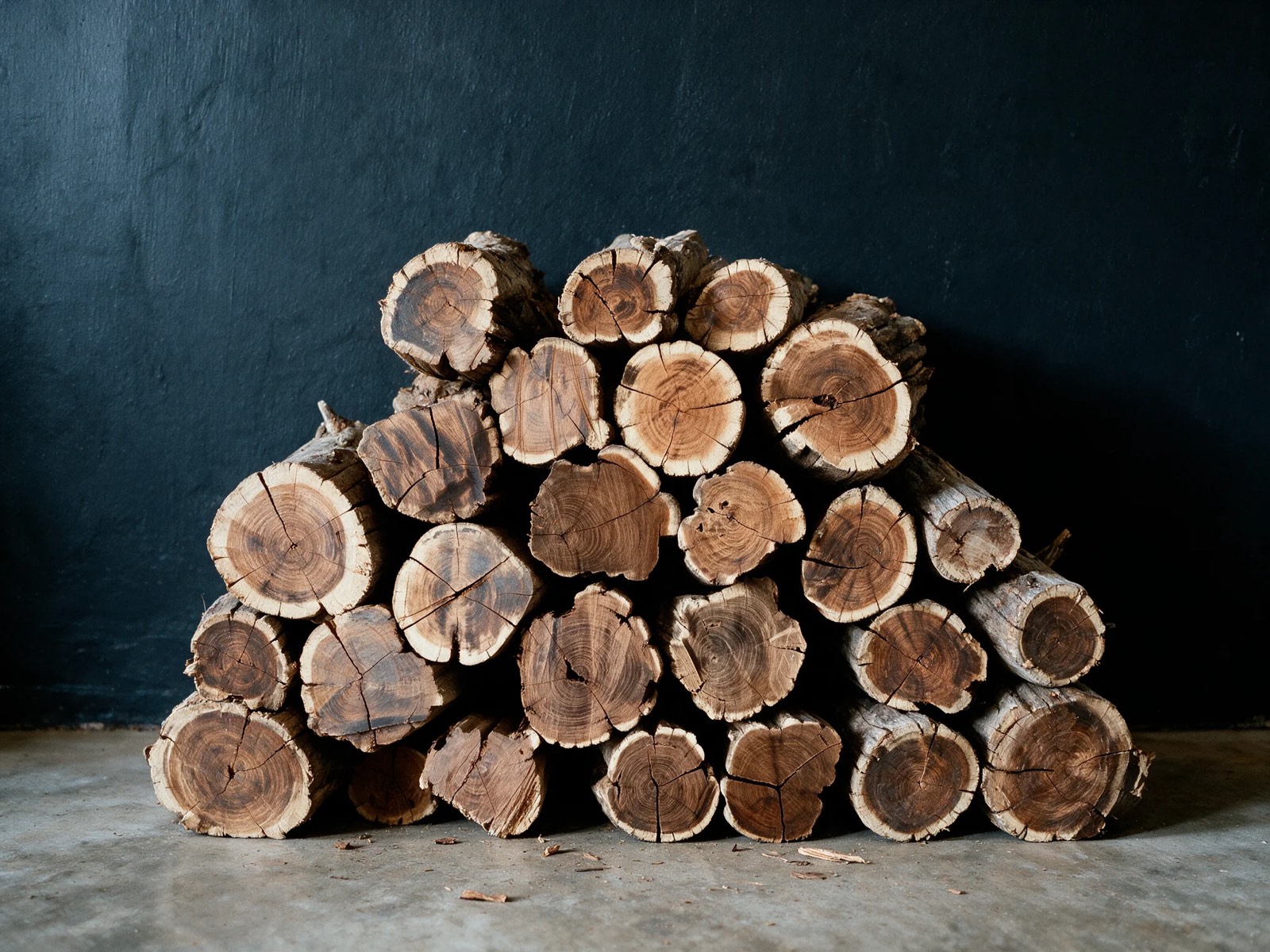
Kameeldoring – Extremely dense, hot and long burn, minimal smoke
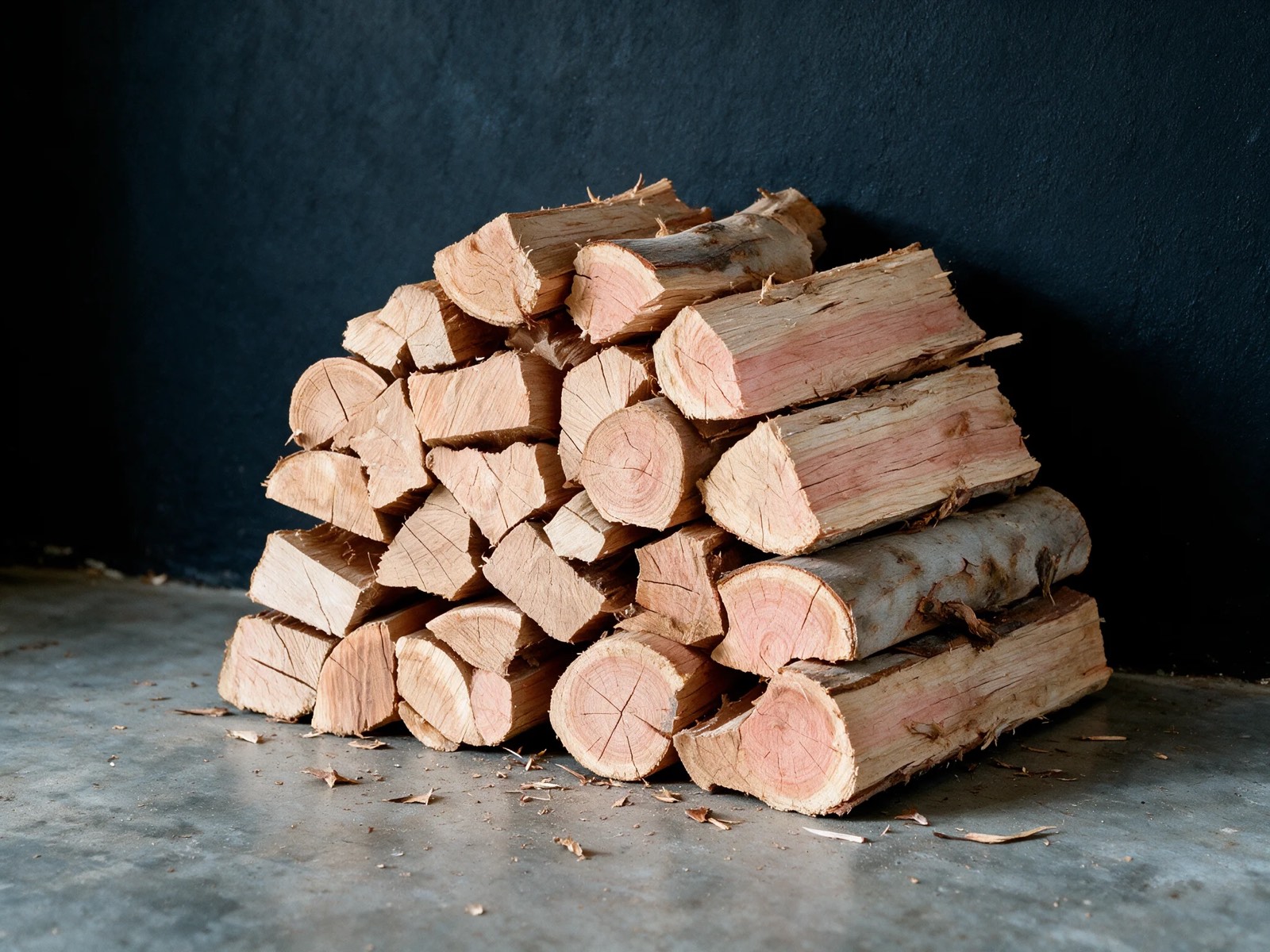
Sekelbos – Great coaling, slightly aromatic, a top performer for lamb
Wood size affects your smoking results significantly.
Chips ignite fast but burn out quickly.
Chunks (fist-sized pieces) burn for approximately one hour in grills and several hours in smokers – making them ideal for most braai enthusiasts.
Logs suit dedicated pit smokers or offset setups best.
No single wood works perfectly for everything.
Experienced braai masters often blend woods to create signature flavour profiles – like pairing Sekelbos for backbone and Rooikrans for aroma.
(It’s like building a fire-based wine pairing.)
Every great fire starts with the right fuel.
Choose wisely.
And if you’re ever unsure?
Just reach out to the team at Stompies.
We’re always ready to help you burn better, braai smarter, and keep every fire clean, safe, and full of flavour.
Stompies Firewood – Because your meat deserves better than mystery wood.
Woods in this guide
Dried, bagged and delivered by Stompies, stacked where you want it.
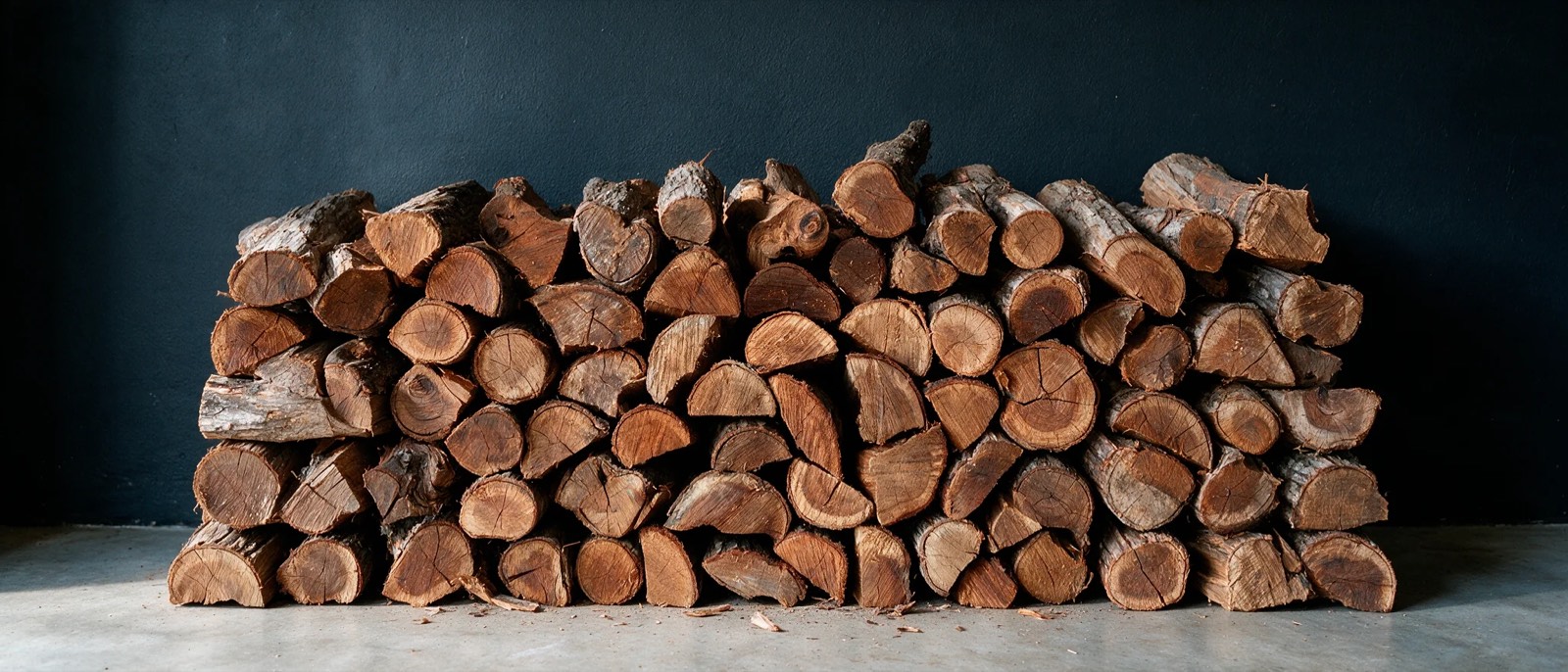 Shop RooikransThe Cape braai wood. It takes a flame without a fight and drops into coals fast, for quick braais: chops, wors, chicken and steak.
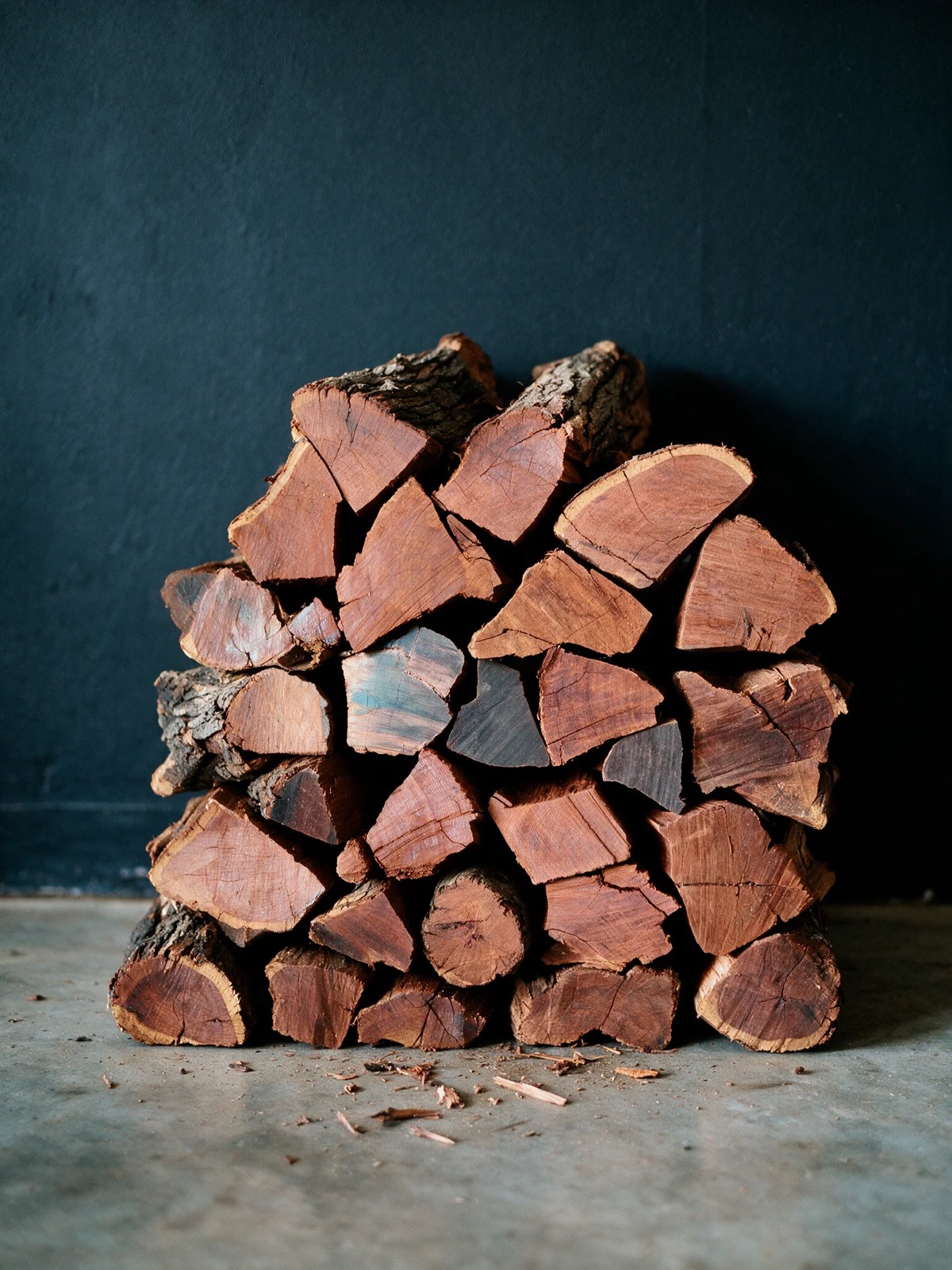 Shop KameeldoringDense Kalahari hardwood for long, slow braais and potjie. Slow to catch, then long, steady heat and coals that keep going.
 Shop SekelbosDense Namibian hardwood for the braai. It lights readily, burns hot and makes coals that hold, for potjie, thick cuts and anything that needs steady coals.
 Shop Blue Gum (Bloekom)Our fireplace wood. It lights easily, burns hot and holds its heat between reloads, for the kaggel or closed combustion fireplace all winter.